
Aventura Real Estate
Artech
━━━━━━━━
2950 NE 188th Street
Aventura, FL 33180
Artech is a luxury waterfront condominium in Aventura designed by internationally acclaimed architect Carlos Ott. Completed in 2008, this distinctive eight story residence features 234 condominium homes with contemporary architecture inspired by the sleek lines of a luxury yacht. Nestled along the Intracoastal Waterway, Artech offers residents panoramic water views, a private marina, and a prime location just minutes from Aventura Mall, Sunny Isles Beach, and both Miami and Fort Lauderdale. The building's striking design, lush tropical landscaping, and waterfront setting create one of Aventura's most recognizable residential communities.
Residents enjoy a resort style lifestyle with an impressive collection of amenities designed for relaxation, wellness, and recreation. The community features a waterfront infinity edge swimming pool, private marina with boat slips, state of the art fitness center, spa, steam and sauna rooms, yoga studio, tennis and pickleball courts, racquetball court, business center, theater, concierge services, valet parking, and 24 hour gated security. A scenic waterfront boardwalk surrounds the property, providing peaceful walking paths and beautiful views of the Intracoastal.
Residences at Artech range from studios to expansive five bedroom homes, offering spacious floor plans with floor to ceiling impact glass, oversized balconies, gourmet kitchens with premium appliances, Italian cabinetry, luxurious bathrooms, and smart home features in select residences. Many homes enjoy spectacular views of the Intracoastal Waterway, marina, and city skyline. Combining innovative architecture, luxury amenities, and an exceptional waterfront location, Artech offers a unique lifestyle for buyers seeking modern waterfront living in the heart of Aventura.
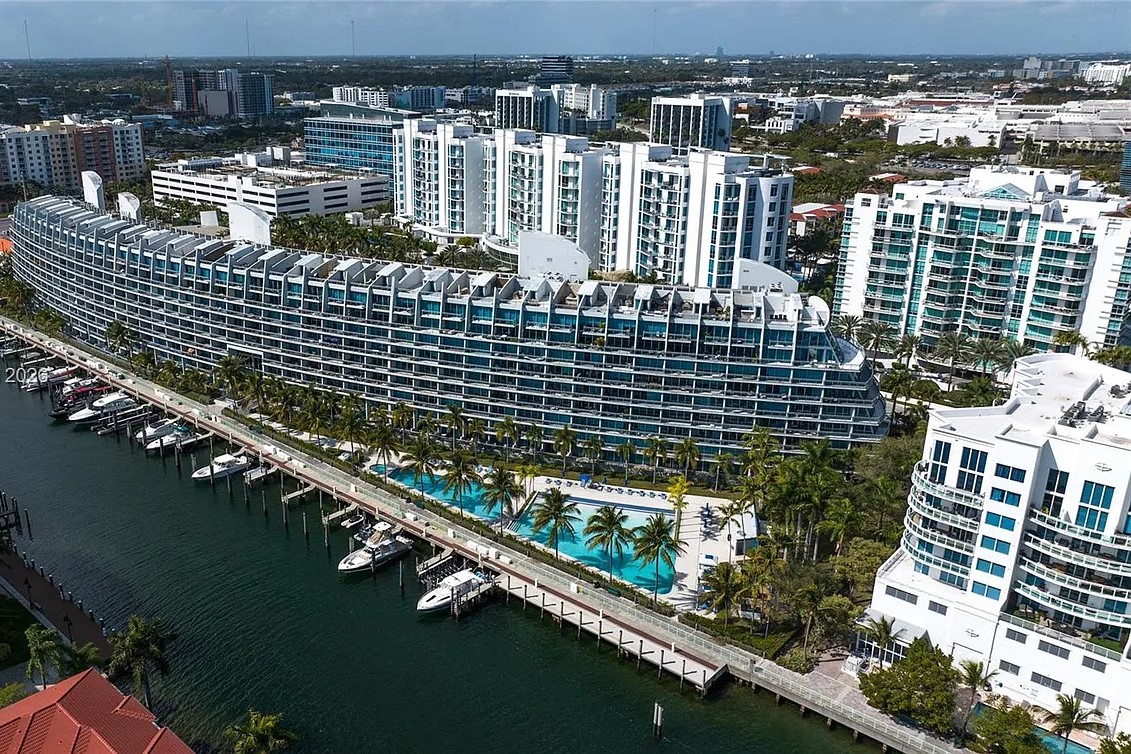
Arctech Tower
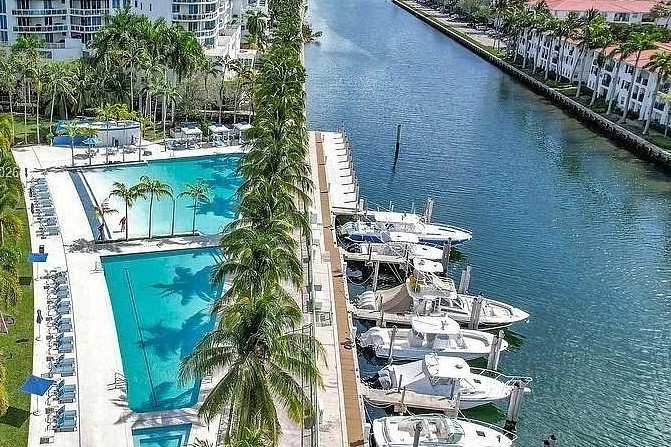
Arctech Pool
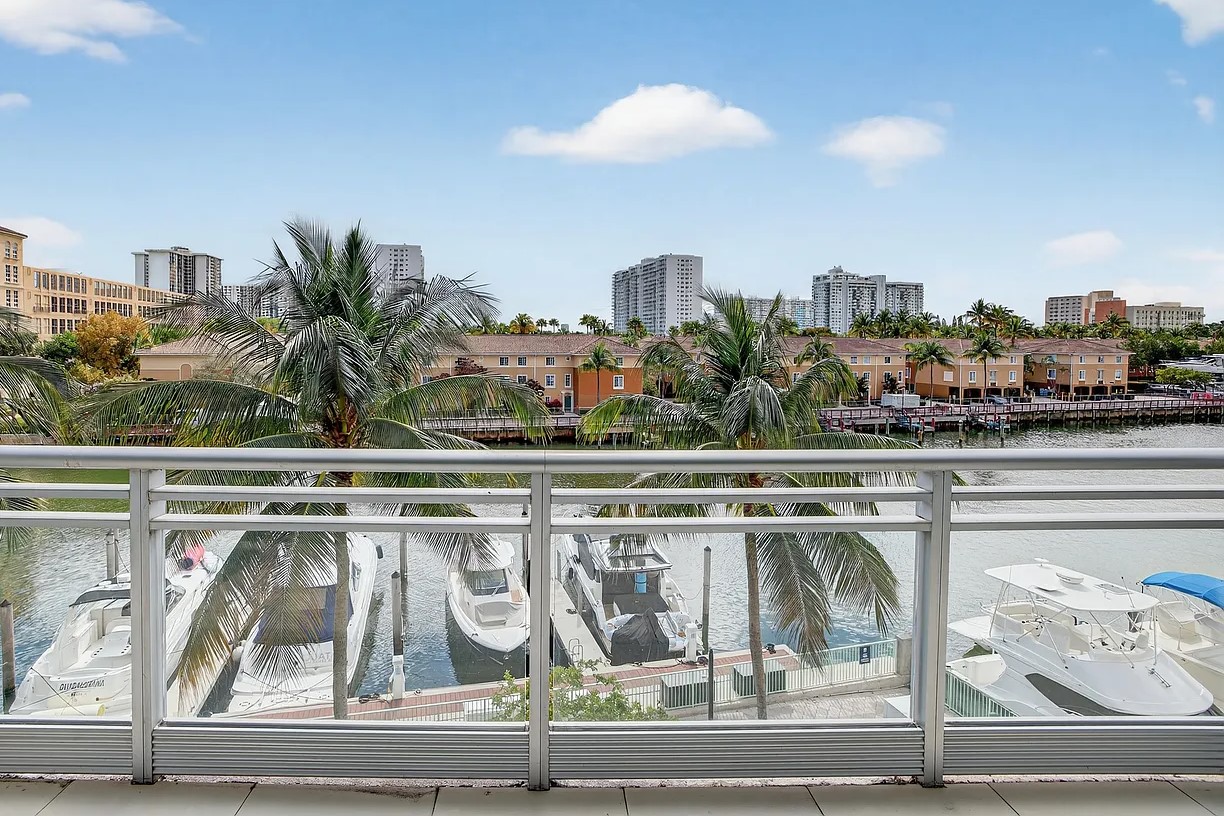
Arctech Balcony
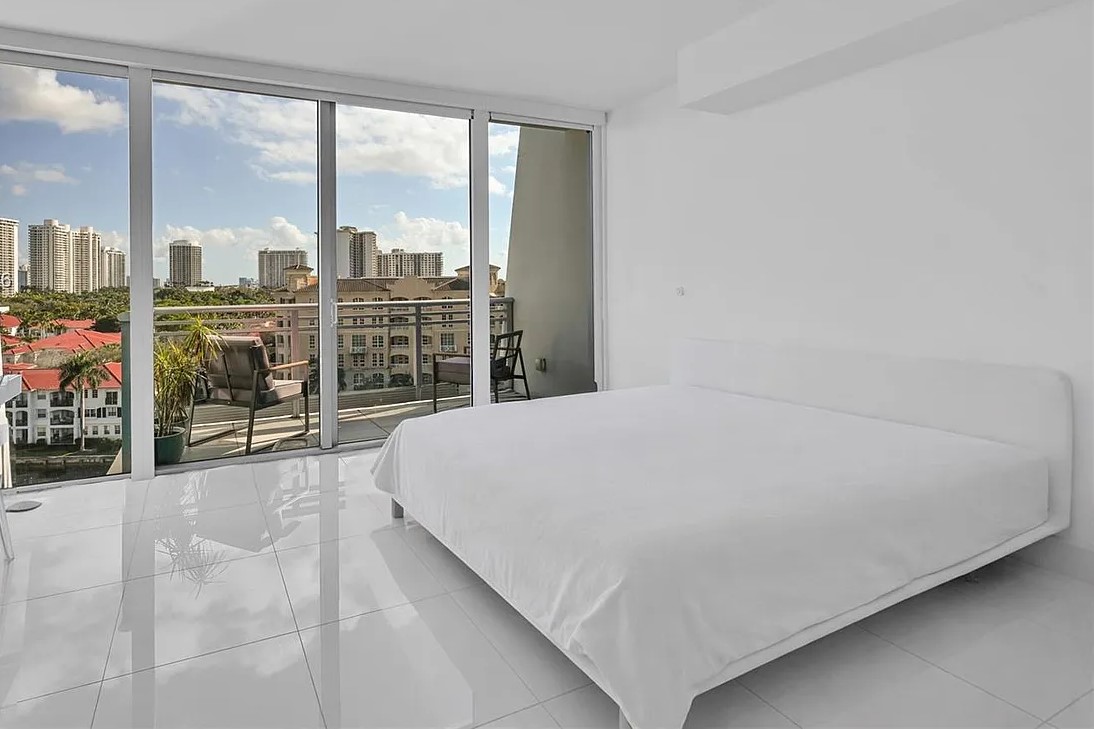
Arctech Bedroom
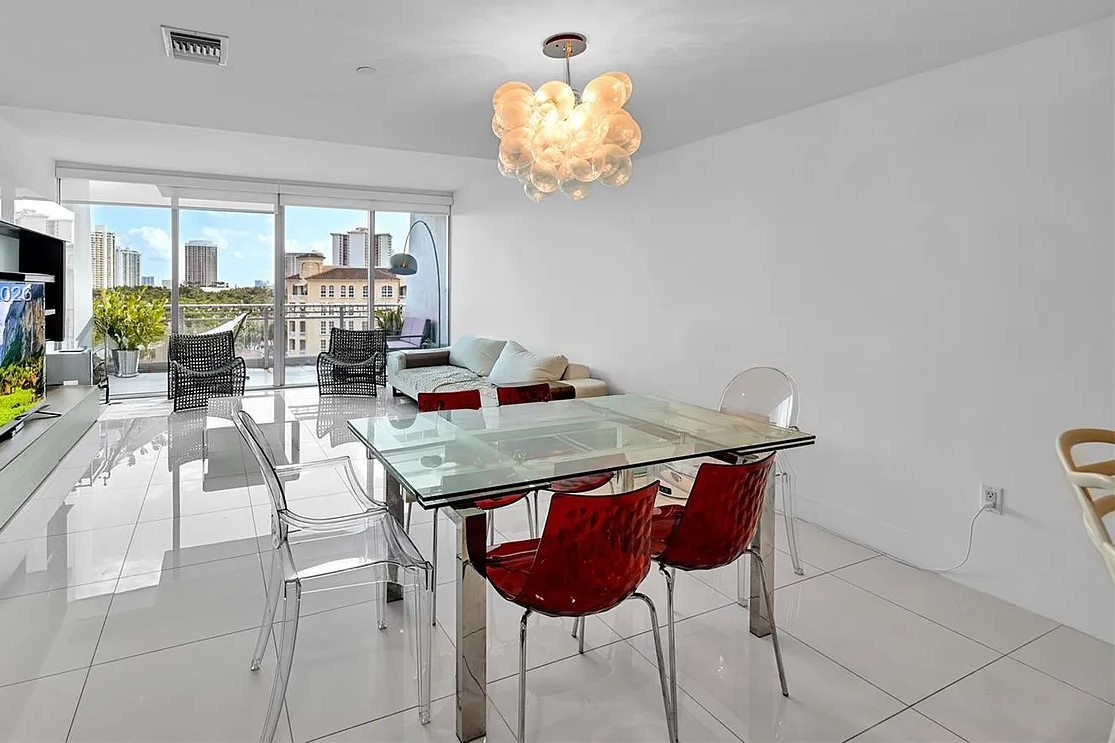
Hidden Bay Living Area
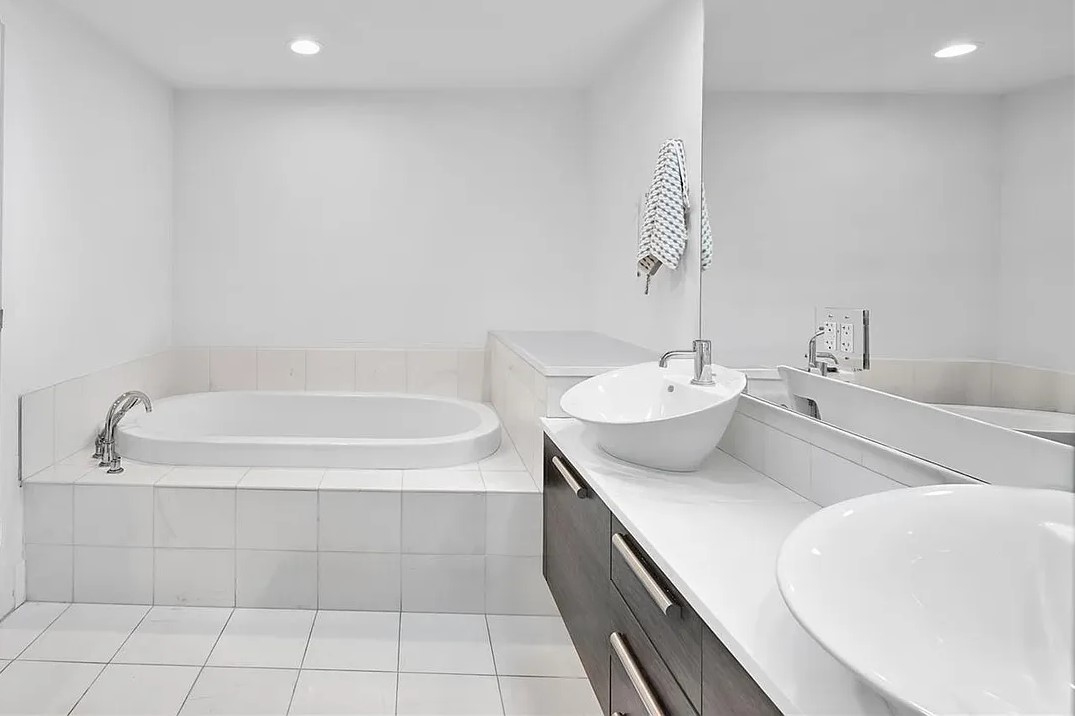
Arctech Bathroom
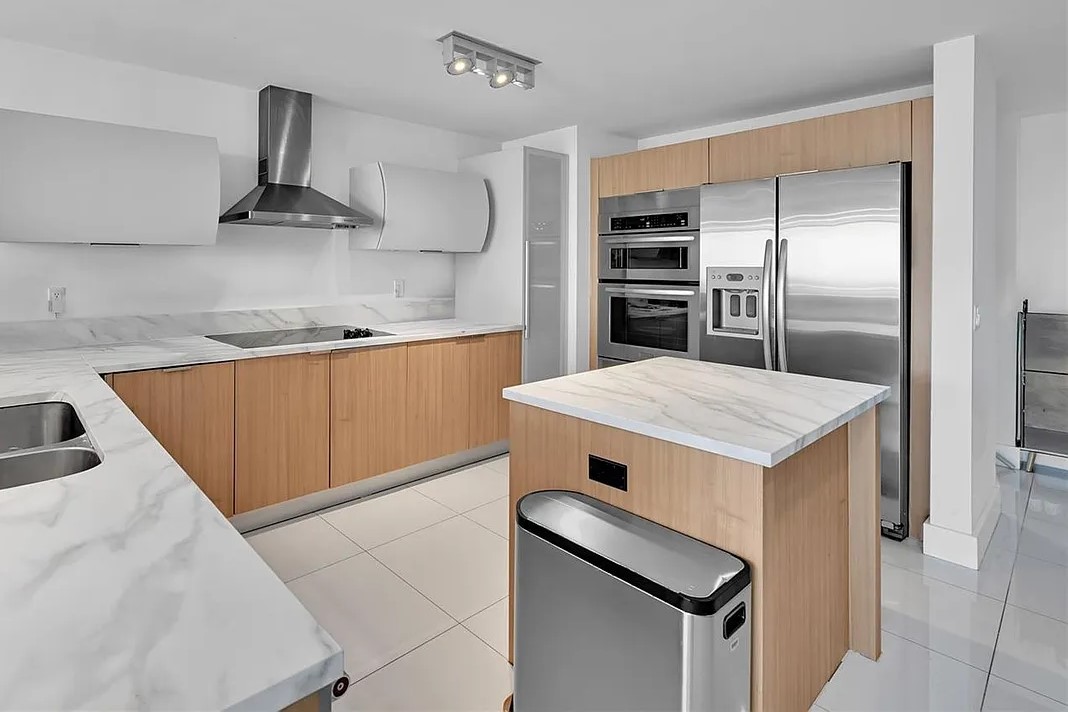
Arctech Kitchen
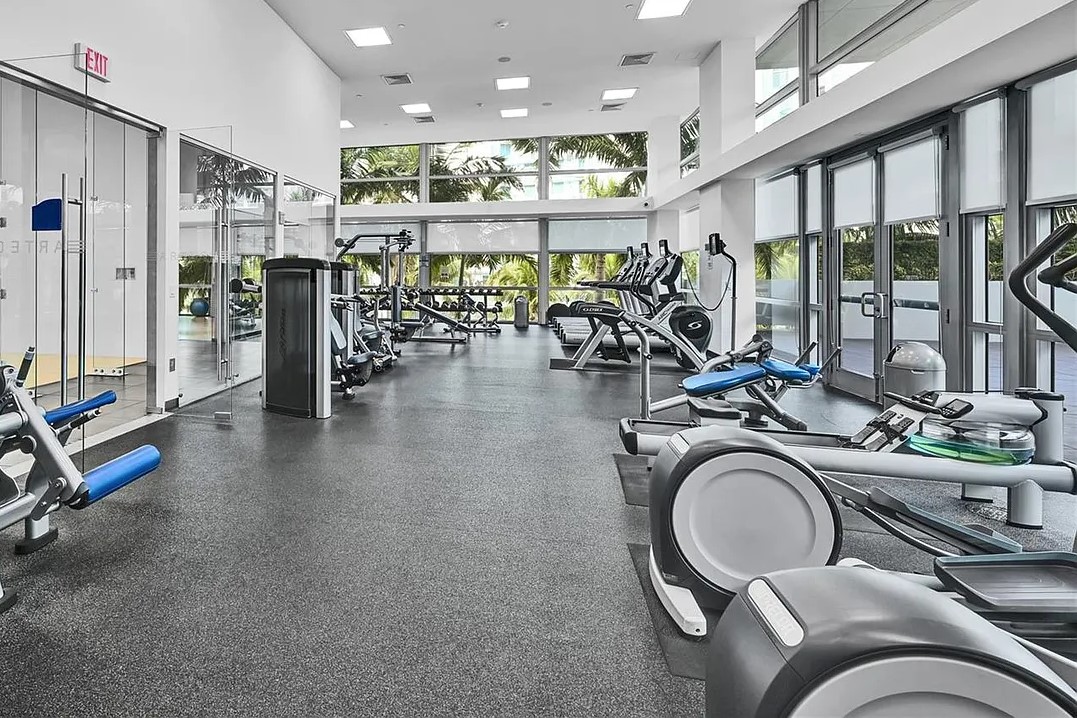
Arctech Gym
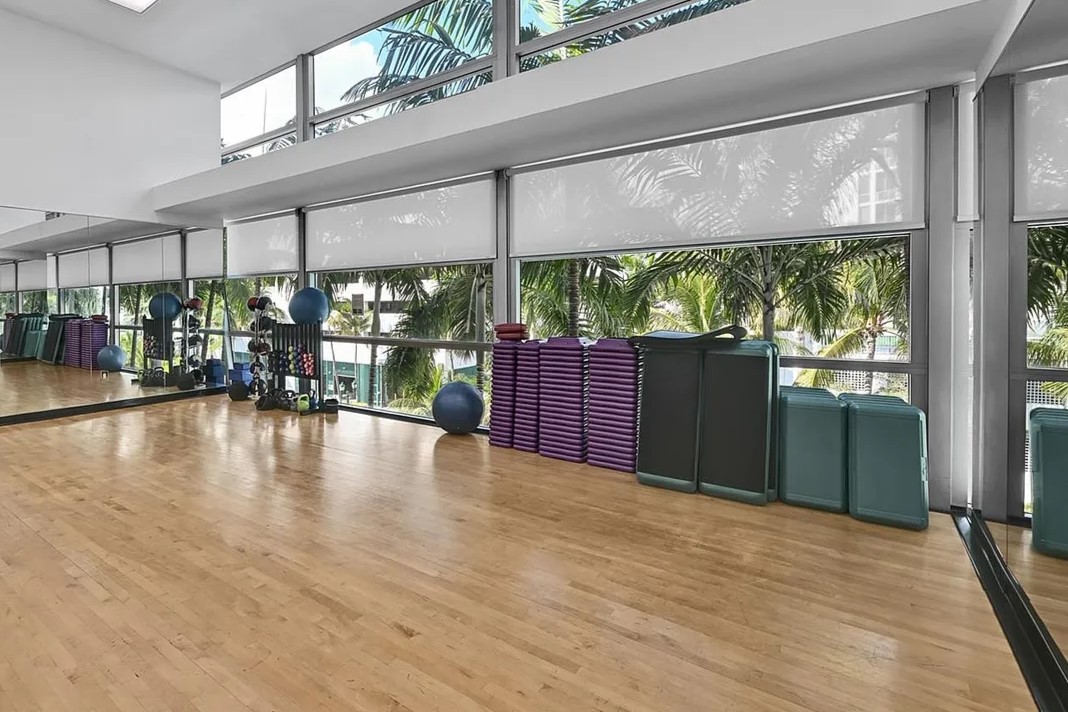
Arctech Yoga Area
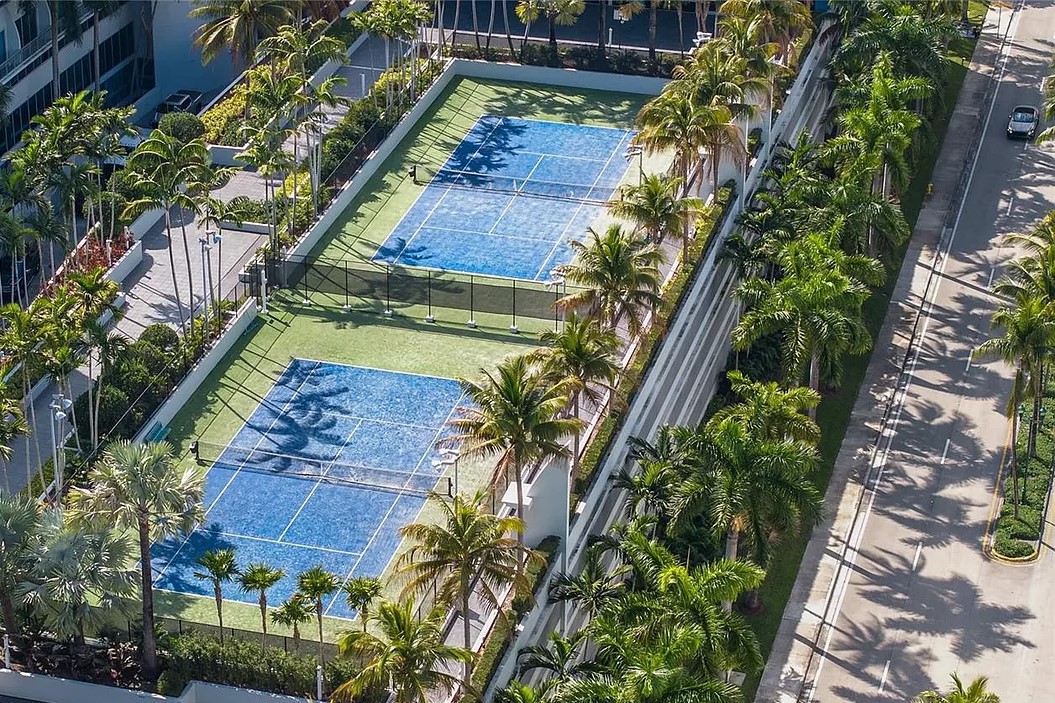
Arctech Tennis Area
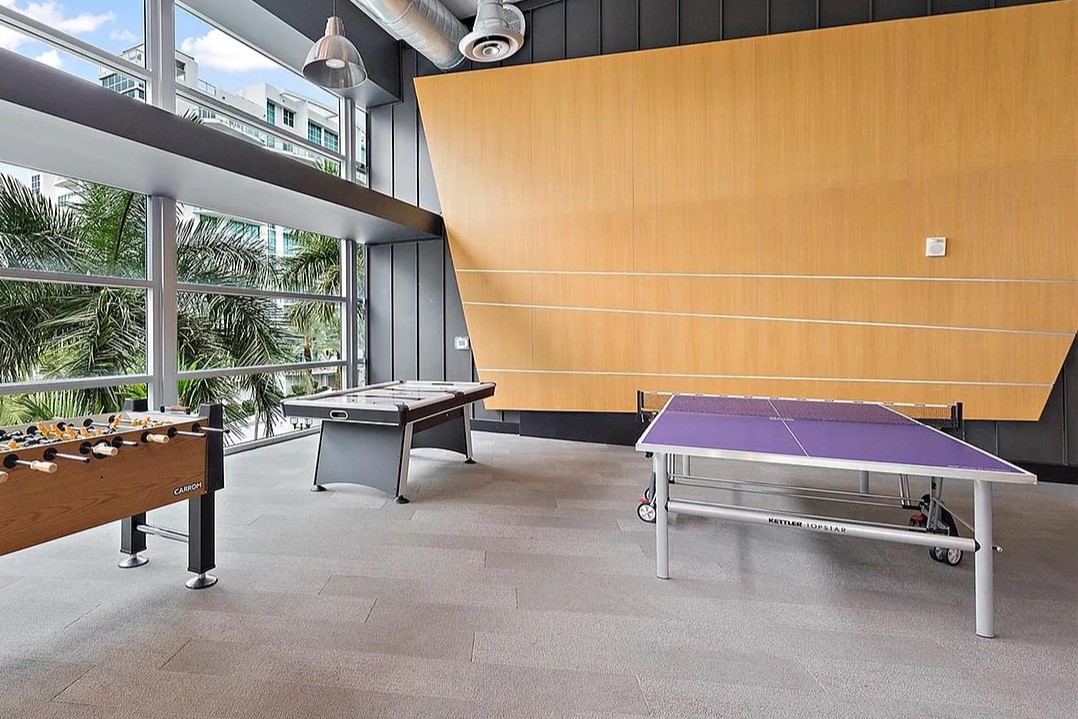
Arctech Play Area
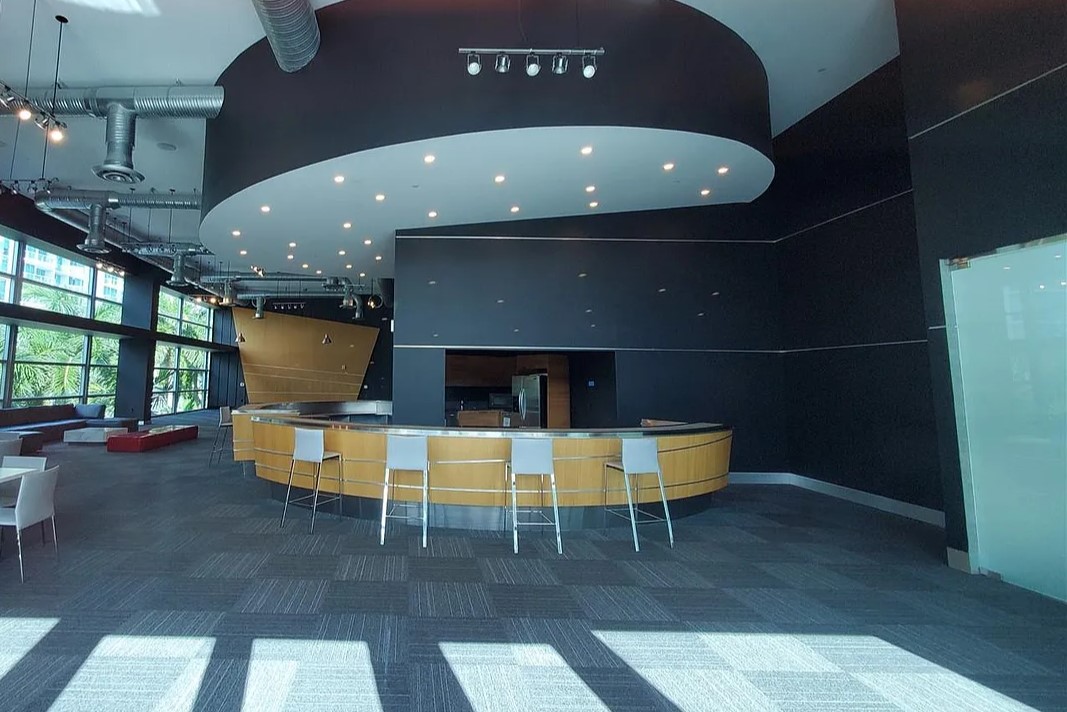
Arctech Waiting Area

Arctech Cinema

Arctech Sauna
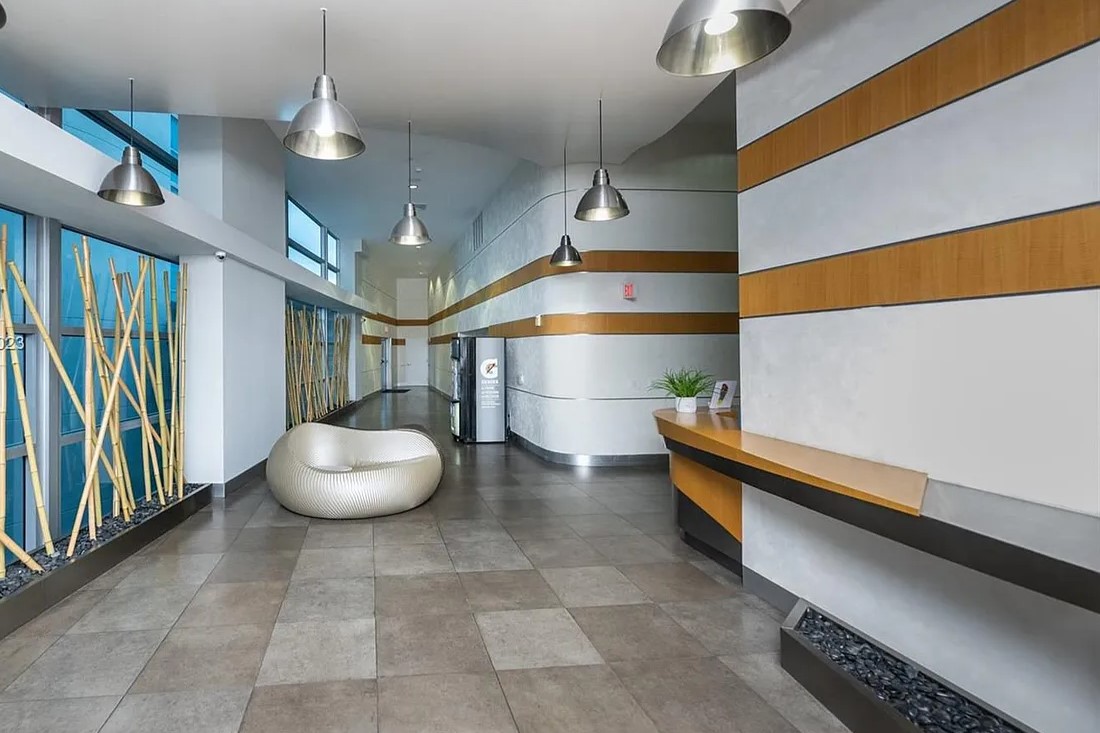
Arctech Lobby
More About Artech
Artech is one of Aventura's most distinctive waterfront condominium communities, recognized for its contemporary architecture by Carlos Ott and its yacht inspired design. Located on a private peninsula overlooking the Intracoastal Waterway, the building offers luxury residences, a private marina, resort style amenities, and convenient access to Aventura Mall, Sunny Isles Beach, and South Florida's major business and entertainment destinations.
Who designed Artech?
Artech was designed by internationally acclaimed architect Carlos Ott and completed in 2008. Its sleek architecture was inspired by the appearance of a luxury cruise ship, making it one of Aventura's most recognizable waterfront buildings.
What amenities are available at Artech?
Residents enjoy a waterfront infinity edge swimming pool, private marina with boat slips, fitness center and spa, steam and sauna rooms, yoga terrace, tennis and pickleball courts, racquetball court, business center, theater, concierge services, valet parking, 24 hour security, scenic waterfront boardwalk, and beautifully landscaped grounds.
What types of residences are available at Artech?
Artech offers residences ranging from studios to spacious five bedroom homes. Many residences feature floor to ceiling windows, oversized balconies, gourmet kitchens with premium appliances, Italian cabinetry, marble bathrooms, and smart home technology in select residences.
Does Artech offer marina access?
Yes. Artech features a private marina with slips accommodating boats up to approximately 110 feet, making it an excellent choice for boating enthusiasts seeking direct Intracoastal access.
What views are available from the residences?
Many residences offer beautiful views of the Intracoastal Waterway, marina, canals, Biscayne Bay, and the surrounding Aventura skyline through expansive floor to ceiling glass.
Is Artech pet friendly?
Yes. Pets are generally permitted, subject to the condominium association's size and breed restrictions.
What attractions are near Artech?
Artech is located just minutes from Aventura Mall, Founders Park, Sunny Isles Beach, Bal Harbour Shops, fine dining, golf courses, and both Miami and Fort Lauderdale airports.
Is Artech a good investment?
Its waterfront location, modern architecture, luxury amenities, marina access, and proximity to shopping, beaches, and business centers make Artech one of Aventura's most desirable condominium communities for both homeowners and investors.
━━━━━━━━
View and learn about nearby communities.
Elite Broker Blogs
━━━━━━━━

Moving from California to Miami
Relocation, California to Miami
What Californians Should Know Before Moving to Miami
Trading Pacific sunsets for Atlantic sunrises can be exciting, but moving from California to Miami is more than just a change of scenery. From housing costs and weather shocks to lifestyle differences and practical paperwork, here’s what Californians should know before calling Miami home.
Cost of Living is a Different Mix, and Not Always Cheaper
Many Californians eye Miami assuming it will be dramatically cheaper. The reality is more nuanced. Miami can feel more affordable in some ways, but surprisingly similar in others, depending on where in California you’re coming from and the lifestyle you expect to maintain.
Housing: Compared with San Francisco or West Los Angeles, Miami’s home prices and rents often look like a bargain. However, prime neighborhoods such as Brickell, Downtown, Miami Beach and Coconut Grove can still be pricey, especially for modern condos with water views.
Everyday expenses: Groceries, dining out and entertainment are broadly comparable to major California cities, though you may notice slightly lower prices outside of tourist heavy areas and luxury districts.
Car costs: You’ll likely still need a car, but insurance can be higher in South Florida due to storm risks, dense traffic and accident rates.
Tip: Before you move, compare your current budget to market rents and insurance quotes in at least two or three Miami neighborhoods you are considering. The differences between them can be significant.
No State Income Tax, But Watch the Trade-Offs
One of the biggest draws for Californians is Florida’s no state income tax. If you’re used to California’s high state tax rates, your paycheck can suddenly feel much larger in Miami, especially if you are a high earner, business owner or remote worker for a company based elsewhere.
However, that doesn’t mean everything is cheaper. Local governments often make up revenue through higher sales taxes, fees and property taxes. If you plan to buy a home, factor in:
Property taxes that may be higher than you expect, depending on the neighborhood and assessed value
Homeowners association (HOA) fees, especially in condo buildings, which can add hundreds, a thousand or thousands of dollars per month
Takeaway: You’ll likely save on income tax, but run the numbers on housing, insurance and fees so you’re not surprised by the full cost of Miami living.
From Dry Heat to Humid Tropics
If you are coming from coastal Southern California, Miami’s climate will feel like another planet. It’s not just “warm”; it’s tropical. Expect:
Intense humidity from late spring through early fall, with “feels like” temperatures regularly in the 100s due to moisture in the air.
Frequent thunderstorms in summer afternoons including heavy rain, lightning and quick downpours that can flood streets temporarily.
Hurricane season from June through November, which you should take seriously when choosing housing and insurance.
On the plus side, winters are mild and sunny with temperatures often in the 70s and low 80s. If you’re tired of chilly Bay Area fog or mountain cold, Miami winters can feel like a dream. Just be prepared to live with your air conditioning running for much of the year.
Miami Culture and Lifestyle
Miami is not “East Coast Los Angeles.” It has its own identity, shaped by Latin American, the Caribbean and international influences. For many Californians, this is a major part of the appeal, but it does come with an adjustment curve.
Language: Spanish is widely spoken. In some neighborhoods and businesses, it’s the default. You can get by with English, but knowing even basic Spanish will make daily life and social interactions smoother.
Nightlife and schedules: Miami runs late. Dinners start later, nightlife stretches into the early morning and social calendars can feel more spontaneous and party focused than in many California suburbs.
Beach culture: Think warm Atlantic water, sandbar boat days and Art Deco backdrops instead of Pacific surf breaks and rugged cliffs. It’s still beach life, but with a different flavor.
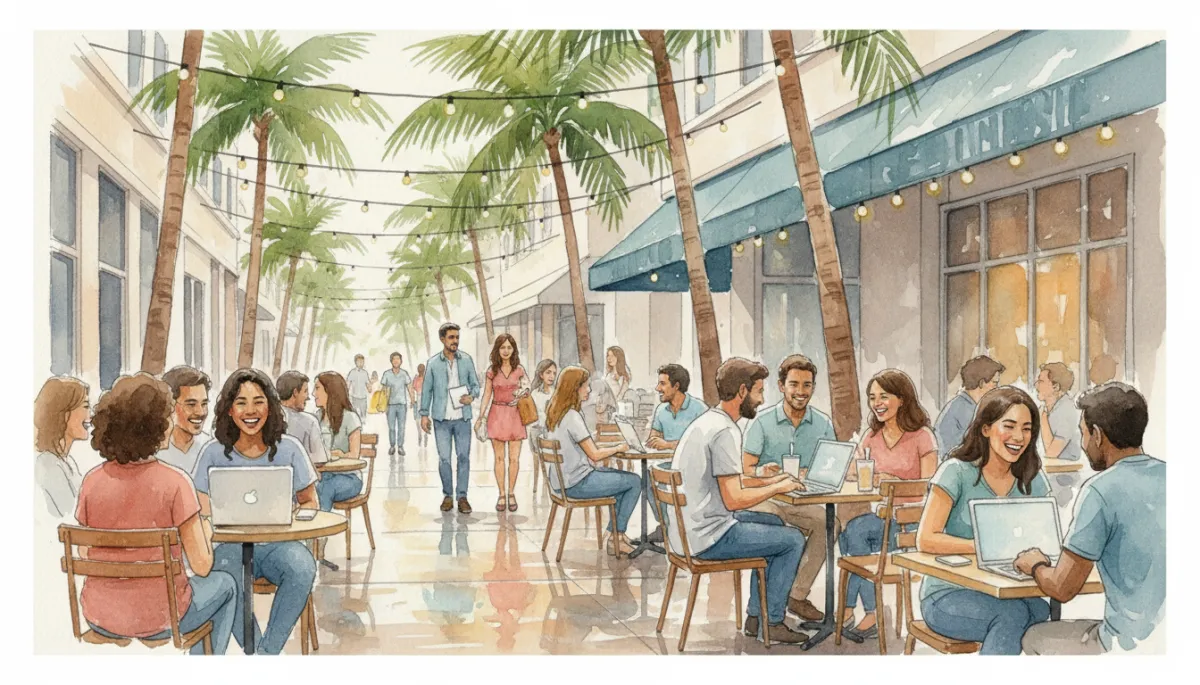
Miami’s daily life blends South American energy, outdoor living and a year round café culture.
Choose Your Neighborhood Carefully Based on How You Live
Just as there’s a big difference between Santa Monica and Sacramento, Miami’s neighborhoods each have their own personality. Spend time exploring, or at least researching in depth before signing a long lease or buying property.
Brickell & Downtown: High rise, urban, and walkable, with luxury condos, rooftop pools, and plenty of restaurants. Popular with young professionals and remote workers who want a city feel.
Miami Beach: Iconic and vibrant, but more touristy and often more expensive. Great if you want to be close to nightlife and the beach, and can be less ideal if you crave quiet residential streets.
Wynwood & Edgewater: Up and coming, artsy, and popular with creatives, offering a mix of converted warehouses, galleries and newer condos.
Coconut Grove & Coral Gables: Leafy, historic and more residential with strong schools and a more relaxed pace that may appeal to families relocating from California suburbs.
Sunny Isles Beach: High end luxury condos surround the area with buildings including the Porsche Design Tower, Regalia, Armani Residences, Acqualina and more.
Golden Beach: An enclave of luxury single family homes stretch across a two mile strip on the beach, along within the City of Golden Beach offering its own private beach, police force and and amenities for its residents.
Aventura: Loved by individuals and families for its walkability, convenience to plenty of shops, Aventura Mall, excellent schools, parks and Turnberry's Tidal Cove.
Tip: If possible, consider renting for 6 to 12 months before buying a Miami condo, townhome or house. Experiencing hurricane season, commute patterns, and neighborhood noise levels firsthand will help you choose wisely.
Work, Commutes and Remote Life
Miami’s economy is evolving beyond tourism and hospitality. Finance, real estate, tech startups, and creative industries are growing, and the city has attracted a wave of entrepreneurs and remote workers in recent years including many from California.
If you’re working remotely for a West Coast company, expect later hours. A 9 to 5 Pacific schedule means working noon to 8 p.m. in Miami, which can actually free your mornings, but shift your social life later.
If you’ll be commuting, understand that Miami traffic can be heavy, and public transit options are more limited than in San Francisco or parts of Los Angeles. Living close to work can be a major quality of life upgrade.
Insurance, Storms and Safety Considerations
Californians are used to earthquakes and wildfires. Miami’s risks look different. Before you move, educate yourself on hurricane preparedness and local insurance realities.
Home and renters insurance can be more expensive and more complicated, especially near the water. You may need separate policies or riders for wind and flood coverage.
Storm preparation means knowing evacuation routes, stocking supplies, and understanding how your building handles shutters, generators, and flooding.
On the safety front, Miami is like any big city. Certain neighborhoods are extremely safe and family friendly while others have higher crime rates. Research crime statistics, talk to locals and visit at different times of day before committing to a long term lease or purchase.
Licenses, Registrations and Timing Your Move
Moving across the country isn’t just emotional. To make your California to Miami move smoother, plan ahead for a few essentials:
Driver’s license and vehicle registration: Florida has its own timelines and requirements for new residents. Expect to update your license, register your car and possibly pay new fees or taxes when you bring a vehicle from out of state.
Health care providers: If you’re used to major medical networks in California, start researching Miami doctors and specialists early. Check which providers and hospitals are in-network for your insurance.
Move timing: If you can, avoid peak hurricane season for your actual moving week. Late fall and winter often offer more predictable weather and slightly cooler temperatures for unpacking and settling in.
Making Miami Feel Like Home
Any cross country move comes with an adjustment period. To ease the transition from California to Miami, give yourself time to explore, make connections and build new routines rather than expecting it to feel like home overnight.
Join local gyms, coworking spaces or hobby groups to meet people beyond the tourist circuit.
Explore beyond South Beach to visit neighborhoods, parks and cultural events to get a better sense of the city’s personality.
Stay open to new traditions from Cuban coffee rituals to weekend boat outings and late night food runs.
Is Miami Right for You?
Moving from California to Miami can be a rewarding change of pace with more sunshine, no state income tax, vibrant culture and a growing professional scene. But, it’s not a simple “cheaper California on the East Coast.” The climate is more intense, the insurance landscape is different and the lifestyle has its own rhythm and expectations.
If you take time to understand the cost of living, neighborhood differences, cultural nuance and practical logistics before you go, you’ll be better prepared to decide whether Miami is truly the right fit, and to enjoy the transition if you decide to make the leap. With realistic expectations and a bit of planning, your move can feel less unpredictable and more of a thoughtfully chosen move to the opposite coast.

Equal Housing Opportunity. A Proud Equal Opportunity Real Estate Brokerage
Ocean Miami Real Estate, a division of Global Luxury Real Estate, offers the opportunity to buy and sell properties across South Florida. We help connect buyers and sellers not only from the local market, but across the country and around the world.
Corporate Responsibility, Privacy & Legal Notices: Global Luxury Realty is a licensed real estate broker and doing business as Ocean Miami Real Estate. No guarantee, warranty or representation of any kind is made regarding the completeness or accuracy of descriptions or measurements (including square footage measurements and property condition), such should be independently verified, and GLR expressly disclaims any liability in connection therewith. No financial or legal advice provided. Equal Housing Opportunity.
COMPANY
CUSTOMER CARE
18117 Biscayne Blvd Ste 2705, Miami FL 33160
FOLLOW US


© Copyright 2026. Ocean Miami Real Estate. All Rights Reserved.