
Preserving the Past, Reimagining the Future of Boca Raton's Mizner Park
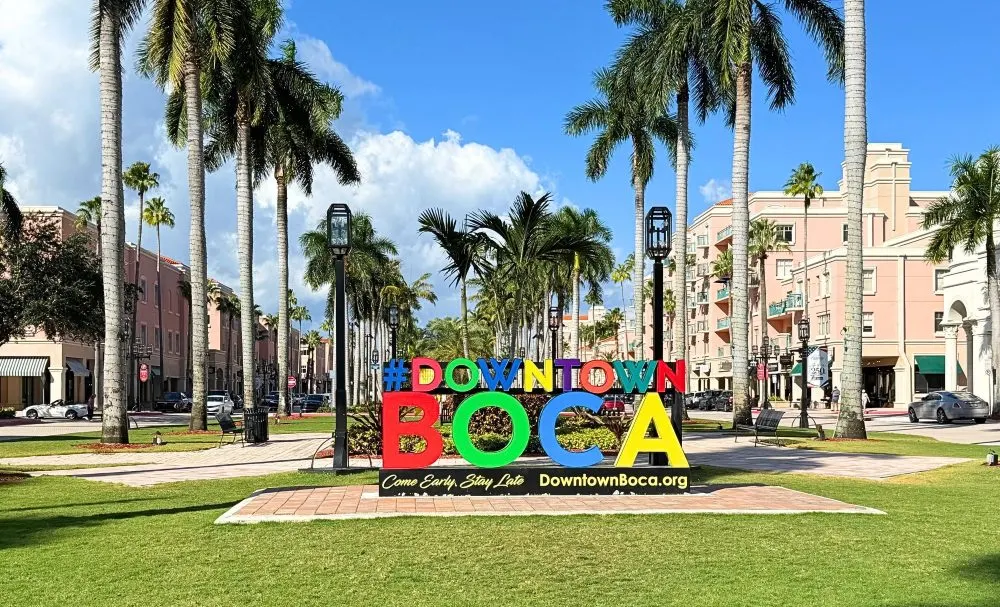
There are places that become more than real estate. They become part of a community's identity, reflecting its aspirations, shaping its character and providing a sense of place that cannot easily be replicated. In Boca Raton, Mizner Park is one of those places.
When it officially opened on January 11, 1991, Mizner Park represented an ambitious vision for downtown Boca Raton. Developed by Tom Crocker, it transformed the former Boca Raton Mall site into something considerably more ambitious than a conventional shopping center with a pedestrian oriented destination combining retail, restaurants, offices, residences, cultural attractions and public gathering spaces. At a time when many communities were embracing suburban development and enclosed shopping malls, Mizner Park offered a different model with one built around the idea of creating a downtown where people could live, work, shop and socialize.
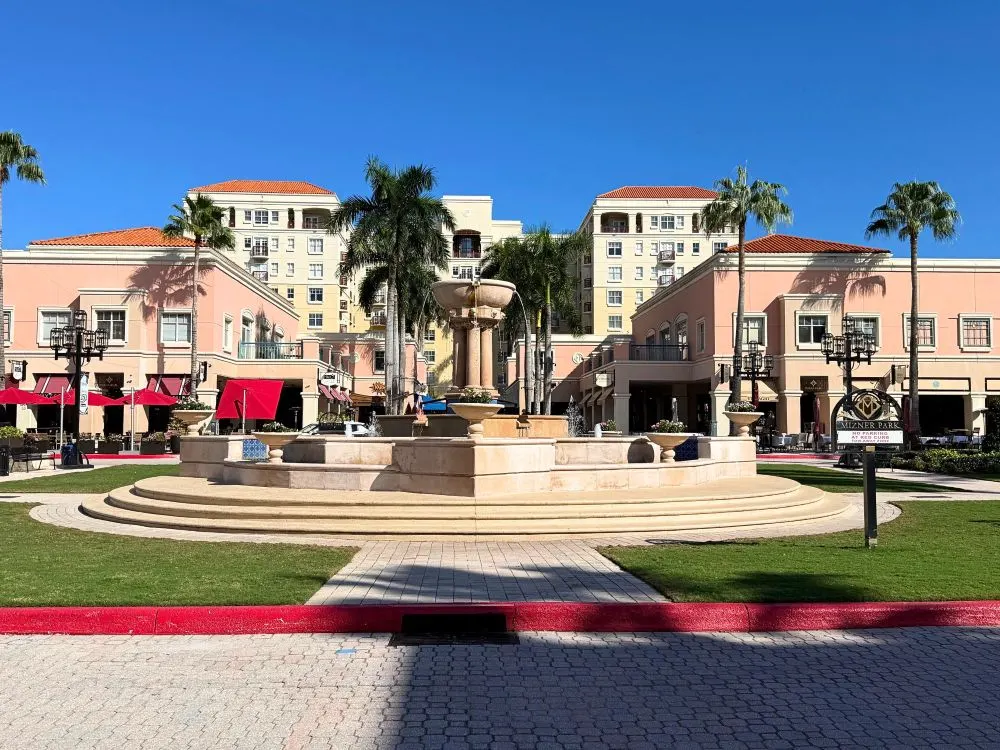
More than three decades later, that original vision is facing a new test.
The November 5, 2026, acquisition of Mizner Park by CP Group, led by its original developer, Tom Crocker, presents an intriguing opportunity to renew one of Boca Raton's most recognizable landmarks. There is a certain symmetry in the return of the developer who helped create Mizner Park to lead its next chapter. Nostalgia alone is not a redevelopment strategy, and the property's future will ultimately be measured not by its history, but by what it becomes.
The scale of the undertaking is substantial. Spanning approximately 30 acres and encompassing 838,840 square feet, Mizner Park is effectively a small mixed use district within downtown Boca Raton. Its footprint includes 276,461 square feet of retail space, 268,391 square feet of office space and 293,988 square feet of residential space, including 272 apartments.
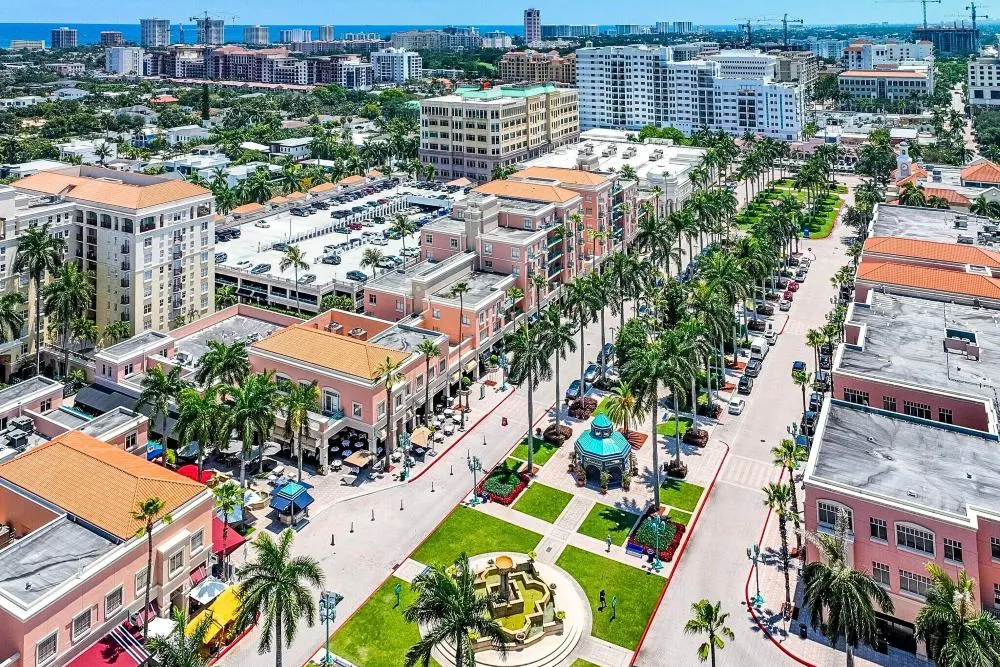
Those numbers tell an important story. Mizner Park is not merely a collection of shops and restaurants. It is a significant commercial, residential and business destination whose success has implications for the vitality of the surrounding downtown.
The challenge, however, is considerable. Retail has changed dramatically since Mizner Park first opened. Consumer habits have shifted, online shopping has transformed the traditional retail landscape, and the expectations of residents, visitors and businesses have evolved. Retailers that once anchored shopping destinations have disappeared or reinvented themselves. Restaurants and entertainment concepts face increasingly competitive markets, while consumers have become more selective about where they spend their time.
Simply refreshing storefronts, landscaping and common areas may improve appearances, but it will not necessarily ensure long term relevance.
Mizner Park needs more than a facelift. It needs a compelling reason for people to return, linger and make it part of their everyday lives.
That means thinking beyond traditional retail. A thoughtfully curated mix of restaurants, specialty shops, entertainment, cultural programming, wellness amenities and gathering spaces could help make Mizner Park a more vibrant, year round destination. A high end grocery store, a quality fitness facility and more diverse dining options could also address everyday needs while attracting a broader audience. Residential improvements and a stronger connection to the surrounding downtown environment could further strengthen its appeal.
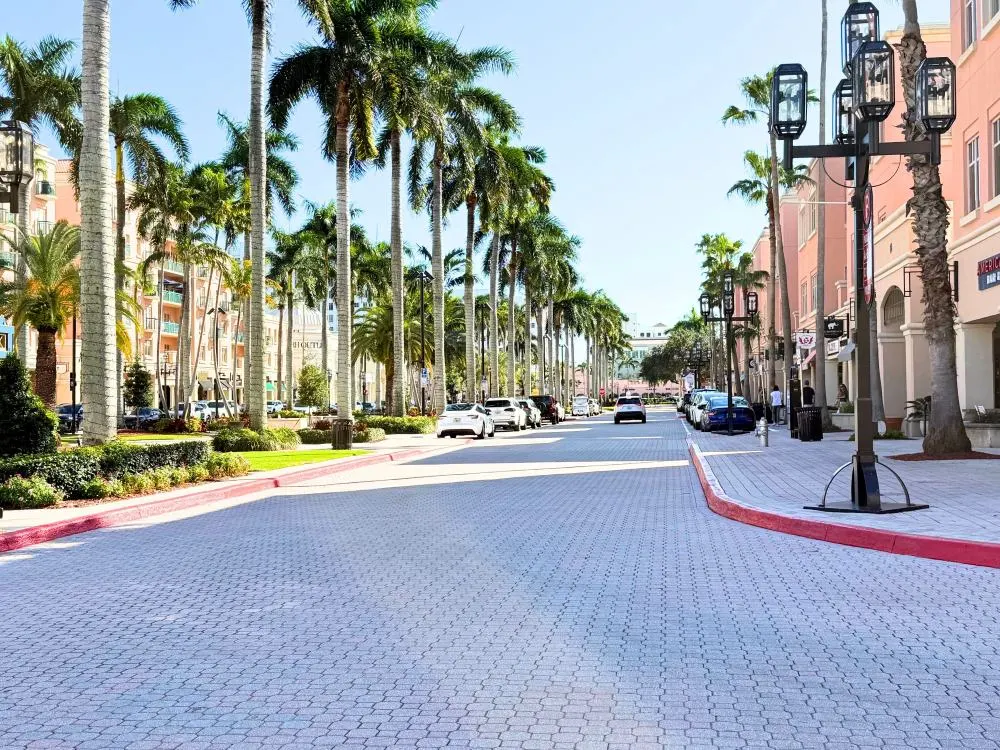
Equally important is preserving what made Mizner Park special in the first place. Its architectural character, pedestrian friendly design and integration of public spaces are not incidental features. They are central to its identity. Any effort to modernize the property should enhance those qualities rather than diminish them.
Mizner Park's cultural significance deserves particular attention. The Mizner Park Amphitheater has welcomed more than one million visitors over its lifetime, demonstrating that the development's appeal extends well beyond shopping and dining. Along with the Boca Raton Museum of Art, which sits within the development, the amphitheater helps give Mizner Park a cultural dimension that many commercial destinations lack.
That distinction should be protected and strengthened. More concerts, festivals, community events and cultural programming could make the property an even more important gathering place for residents and visitors throughout the year.
There is also a broader community interest at stake. Mizner Park is not simply another privately operated commercial property. The City of Boca Raton's Community Redevelopment Agency owns the underlying land, creating a public private relationship that gives the property's future significance beyond its commercial value. The development's proximity to the museum, amphitheater and surrounding downtown also makes it an integral part of Boca Raton's civic and cultural landscape.
That reality makes community engagement essential. Residents should have a meaningful opportunity to participate in discussions about the property's future. The city, its Community Redevelopment Agency and the new ownership group should work toward a shared vision that balances private investment with the public interest.
The financial history of Mizner Park adds another dimension to the story. A previous effort to sell the property reportedly attracted an offer of approximately $290 million. That figure should not be confused with the price of the latest acquisition, which has not been publicly disclosed. Nevertheless, it underscores the considerable real estate value associated with this landmark property and the commercial potential its new owners are seeking to unlock.
The opportunity is particularly timely. Downtown Boca Raton is evolving, with new residential development, changing demographics and improved regional connectivity creating the potential for a more dynamic urban center. The nearby Brightline station adds another dimension, offering the possibility of attracting visitors from other South Florida communities without requiring them to drive.
Mizner Park should be an integral part of that evolution, and not an isolated destination surrounded by it.
The successful redevelopment requires more than capital as it will require imagination, discipline and an understanding of what makes a place enduring. The temptation in any major renovation is to focus on what can be replaced. The greater challenge is recognizing what should be preserved.
CP Group has a unique advantage in that they know the original vision because the group helped create it. That history carries both an opportunity and a responsibility. The goal should not be to recreate the Mizner Park of 1991, nor to transform it into something unrecognizable. The goal should be to build upon the qualities that made it successful while responding intelligently to the needs of a new generation.
There are important questions that deserve answers as the redevelopment moves forward. How much will the new ownership invest? What will the future tenant mix look like? How will the office and residential components be improved? What role will cultural programming play? And, perhaps most importantly, how will residents have a voice in shaping the next chapter?
The answers will help determine whether this acquisition becomes simply another significant real estate transaction or the beginning of a meaningful transformation.
Mizner Park helped give downtown Boca Raton its identity. Its next chapter should strengthen that identity and ensure that the development remains a place where commerce, culture, community and public life intersect.
The measure of success will not simply be higher rents, improved occupancy or a more attractive collection of storefronts. It will be whether Mizner Park once again becomes a place people genuinely want to experience and not just visit, shop and leave.
Preserving its past is important. Reimagining its future is essential. Boca Raton deserves both.
Looking for your next home?
Search luxury condos, waterfront homes and rentals across South Florida.
More news
- Colette Residences Brings a Boutique Feel to Luxury Living on Brickell Avenue · November 24, 2026
- New York Money Keeps Flowing Into Miami with a $345 Million Loan · November 23, 2026
- A Historic Ocean Drive Hotel Could Become Miami Beach's Next Luxury Condominium · November 21, 2026