
Sunny Isles Beach Real Estate
Poinciana Island
━━━━━━━━
201–467 Poinciana Drive
Sunny Isles Beach, FL
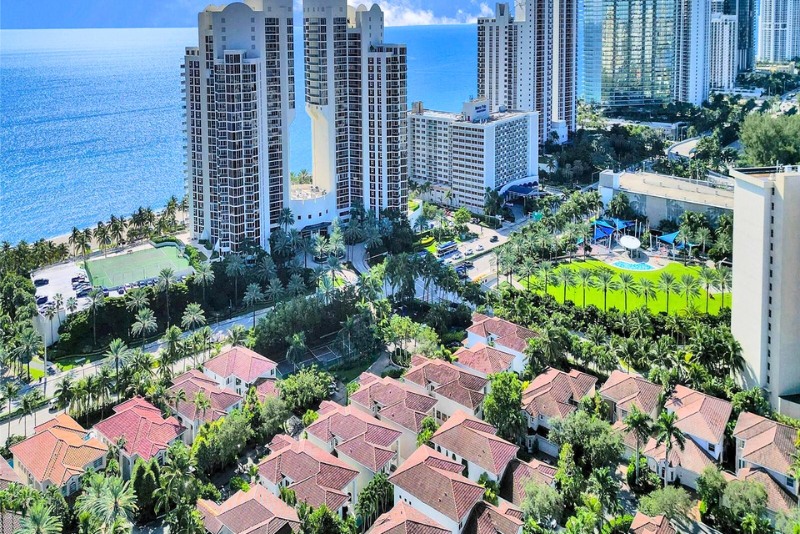
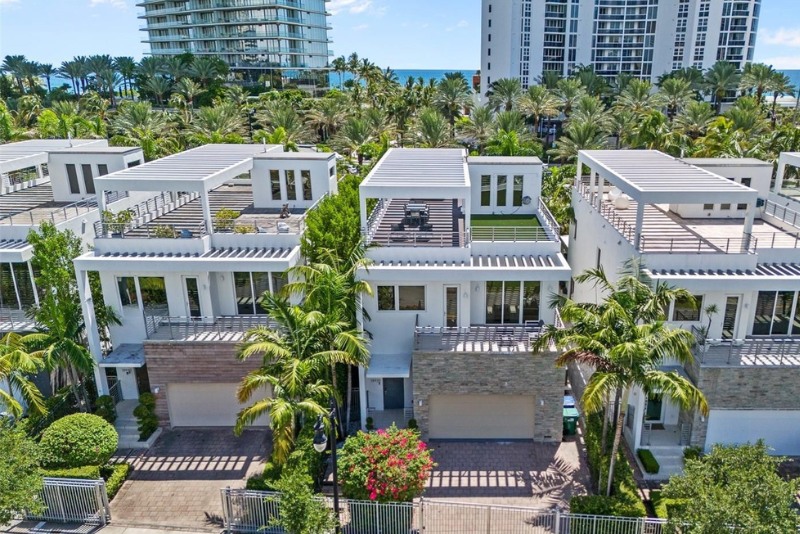
Poinciana Island is an exclusive waterfront townhouse community located along the Intracoastal Waterway in the heart of Sunny Isles Beach. This gated residential enclave offers spacious multi level residences with private garages, expansive balconies, and beautiful views of the Intracoastal, Biscayne Bay, and surrounding waterways. Many homes feature open concept living areas, gourmet kitchens with granite countertops, premium appliances, marble finishes, and generous outdoor terraces designed for entertaining and enjoying the South Florida lifestyle.
Residents enjoy a variety of resort style amenities, including two swimming pools, three tennis courts, a fitness center, clubhouse, children's playground, barbecue areas, private marina with community boat docks, basketball court, and 24 hour gated security. The community's waterfront setting and private boat access make it especially attractive to boating enthusiasts seeking a relaxed yet luxurious lifestyle in Sunny Isles Beach.
Ideally situated between Miami and Fort Lauderdale, Poinciana Island is just minutes from the white sand beaches of Sunny Isles Beach, Aventura Mall, Bal Harbour Shops, Oleta River State Park, championship golf courses, fine dining, and major airports. Combining the privacy of a gated waterfront community with convenient access to South Florida's premier attractions, Poinciana Island offers a unique blend of luxury, comfort, and coastal living.
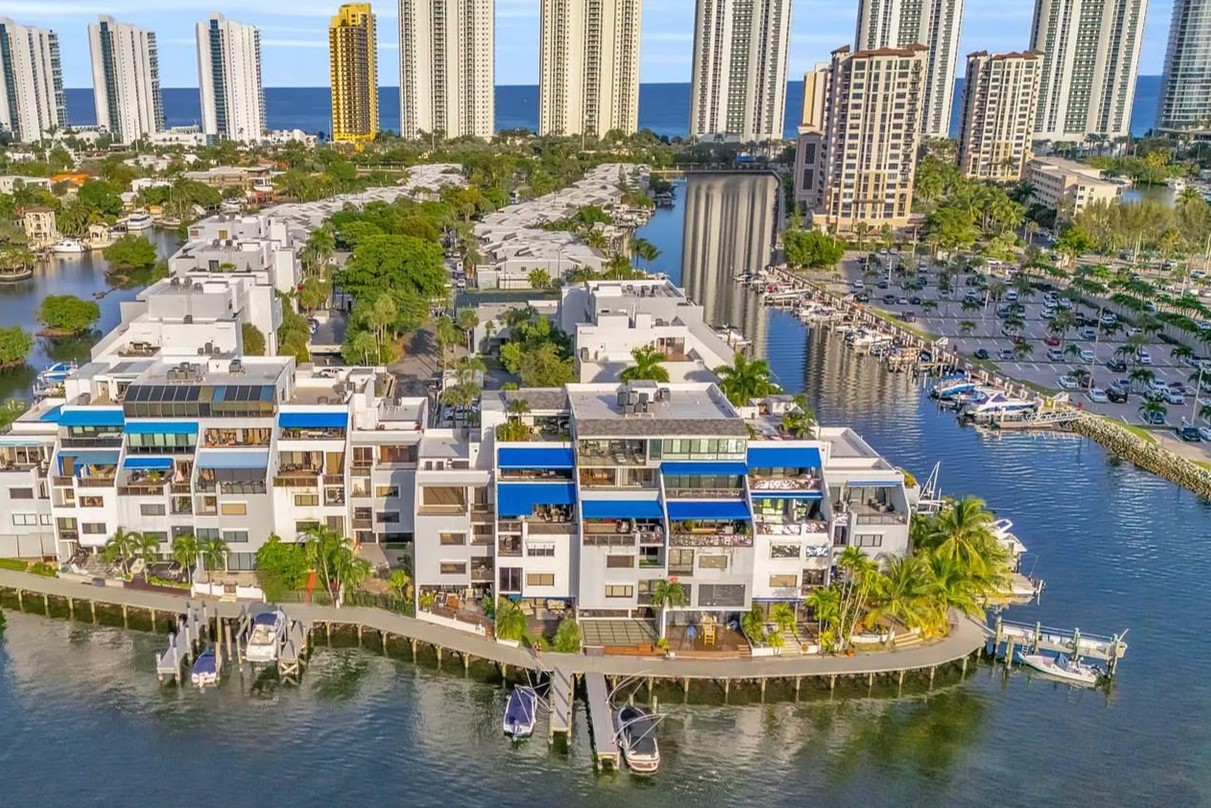
Poinciana Island
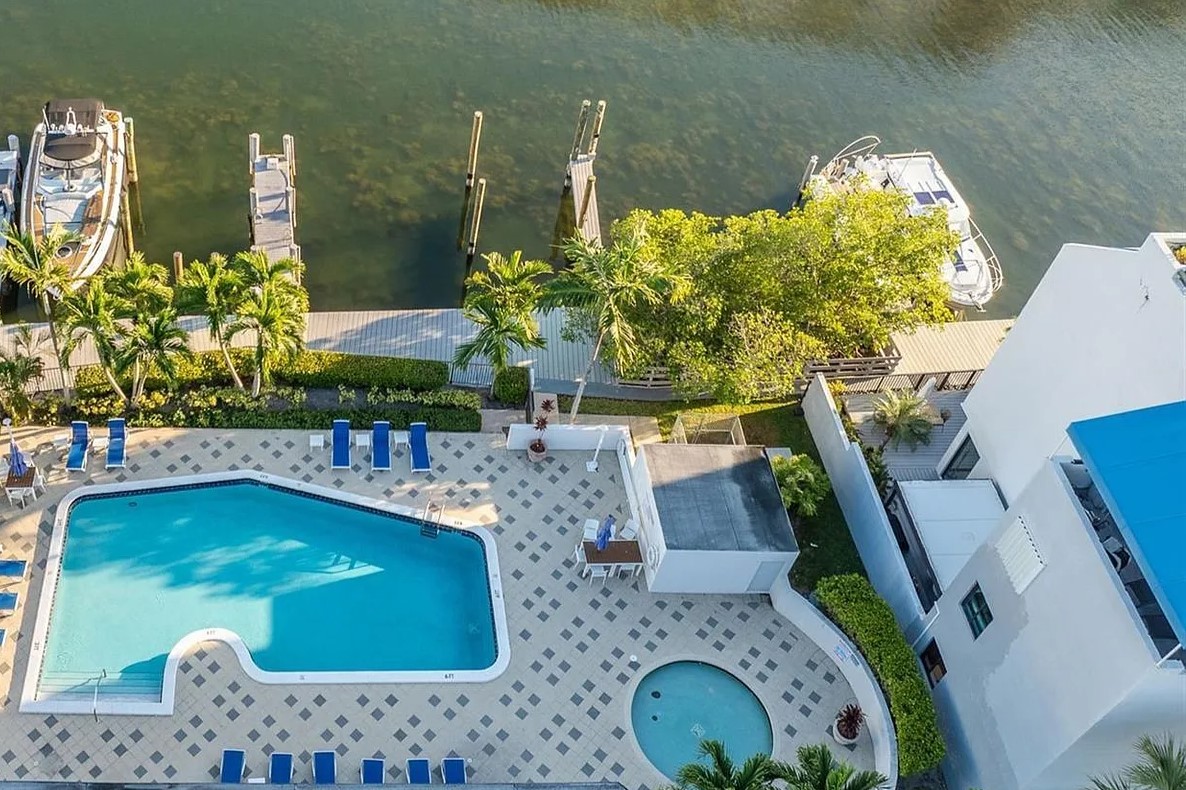
Poinciana Island Pool
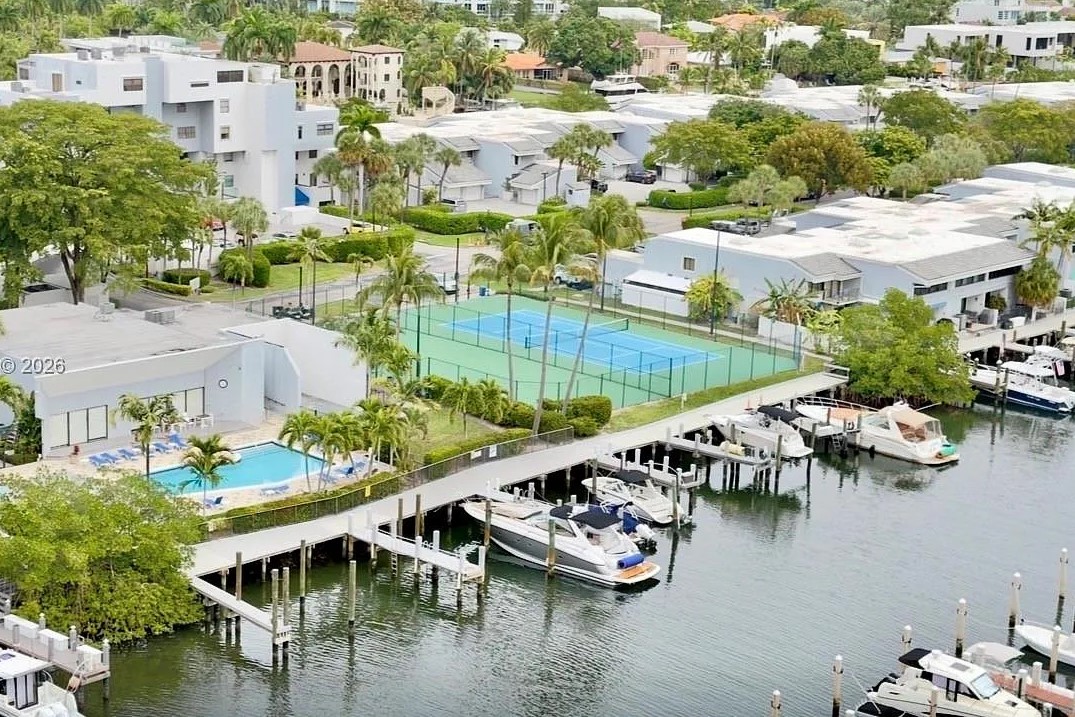
Poinciana Island Pool and Tennis
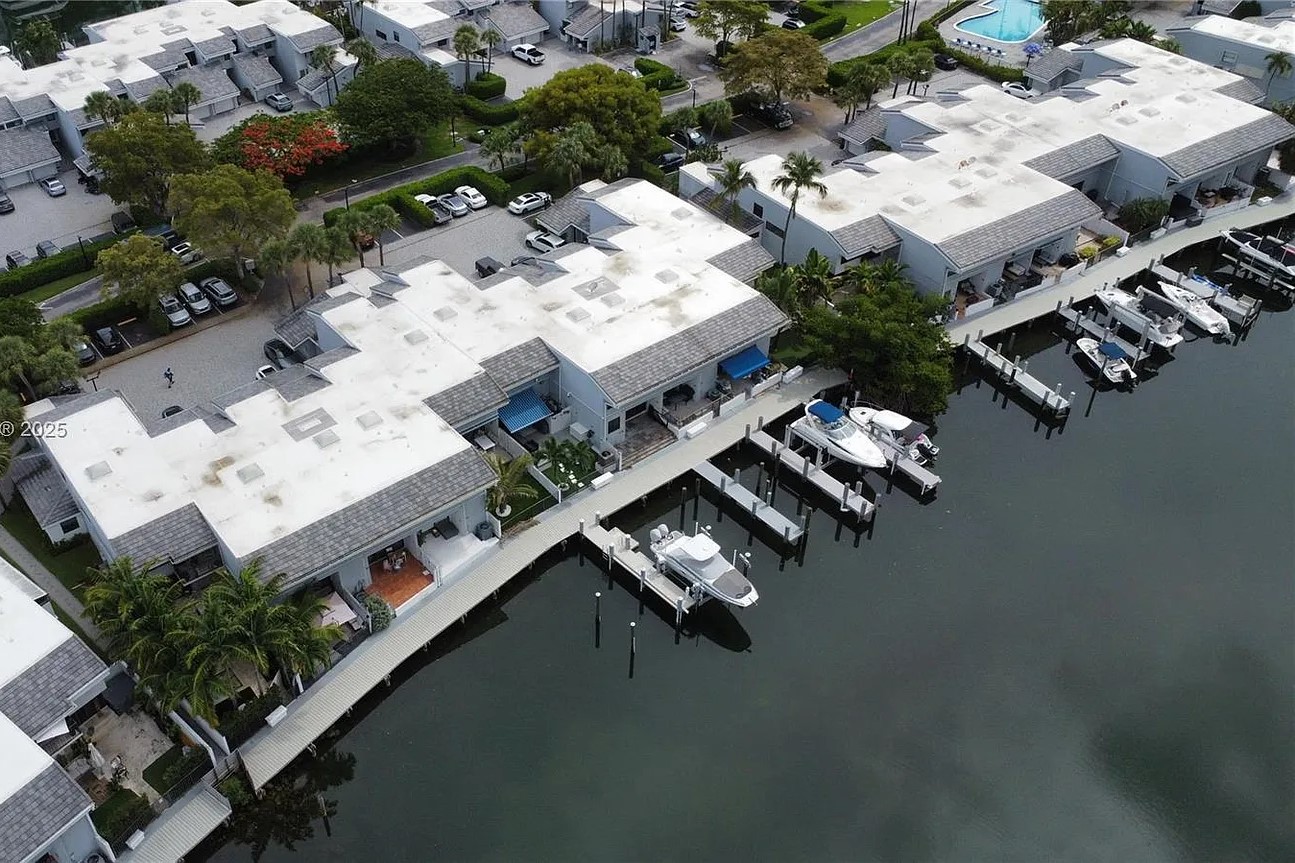
Poinciana Island Boat Deck
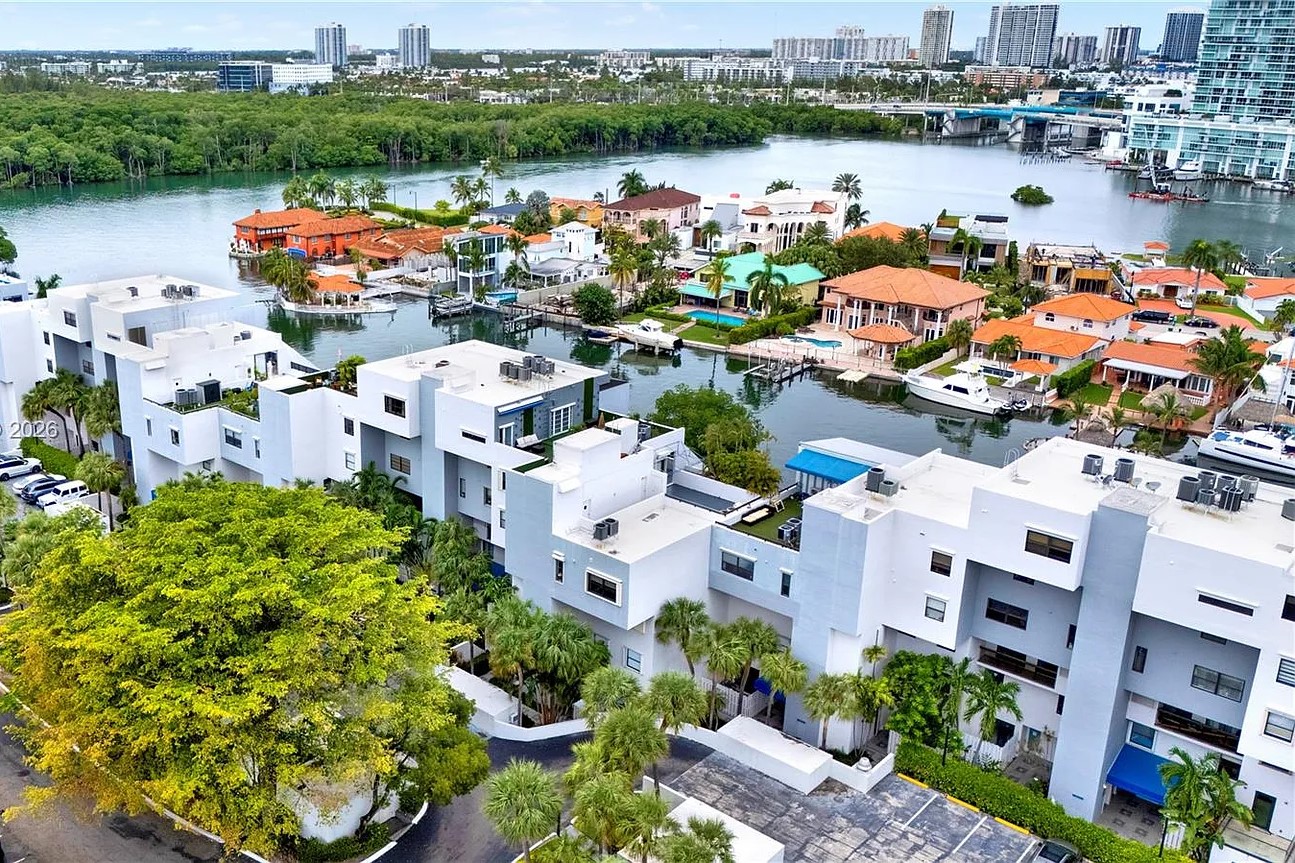
Poinciana Island Apartments
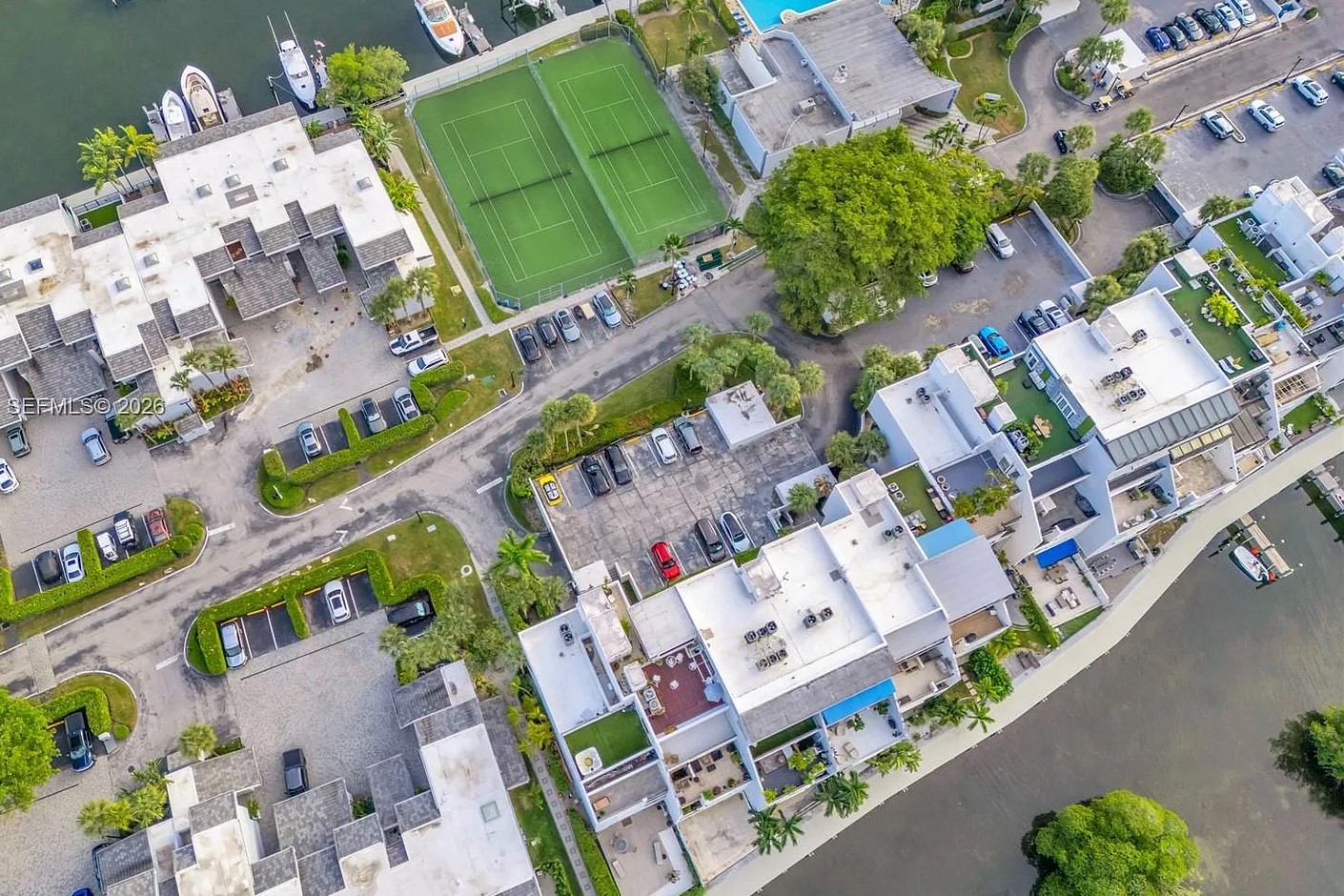
Poinciana Island Aerial View of Parking
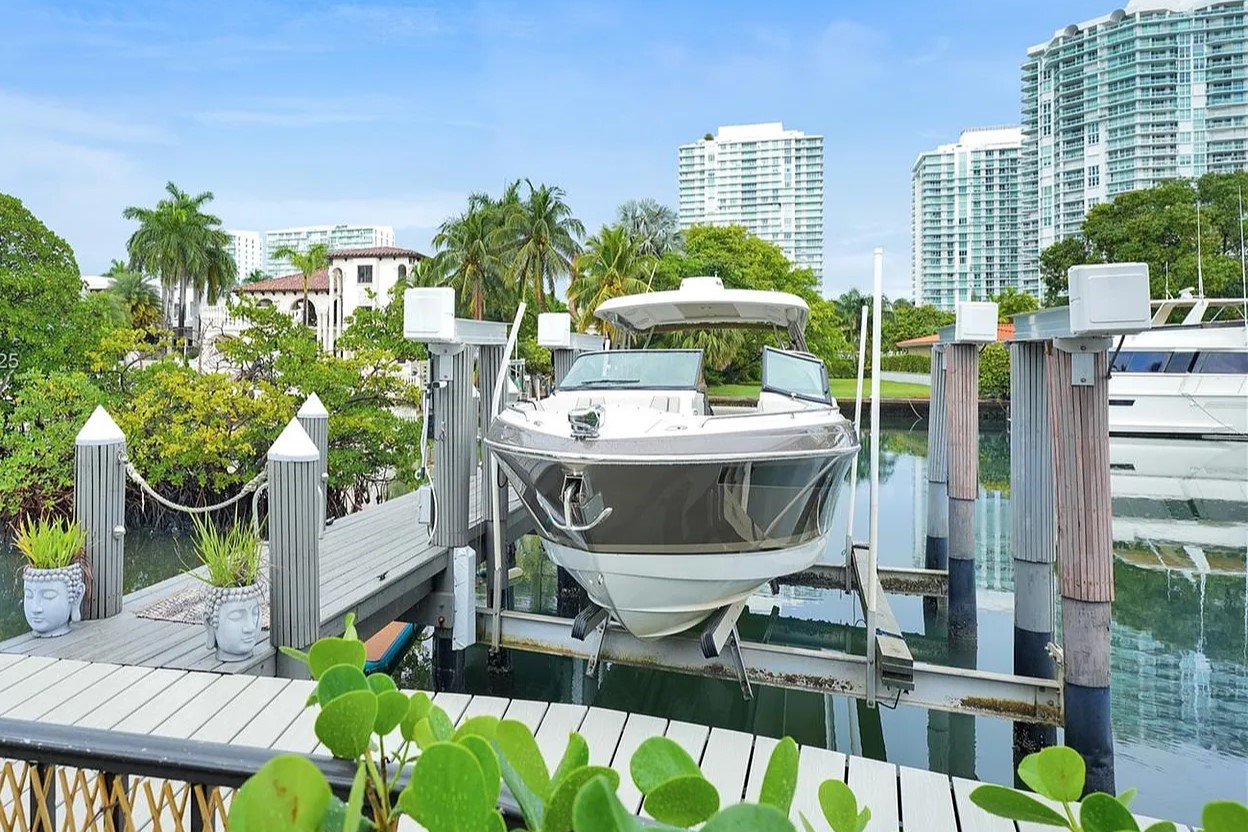
Poinciana Island Private Dock

Poinciana Island Living Area

Poinciana Island Bedroom

Poinciana Island Kitchen

Poinciana Island Bathroom
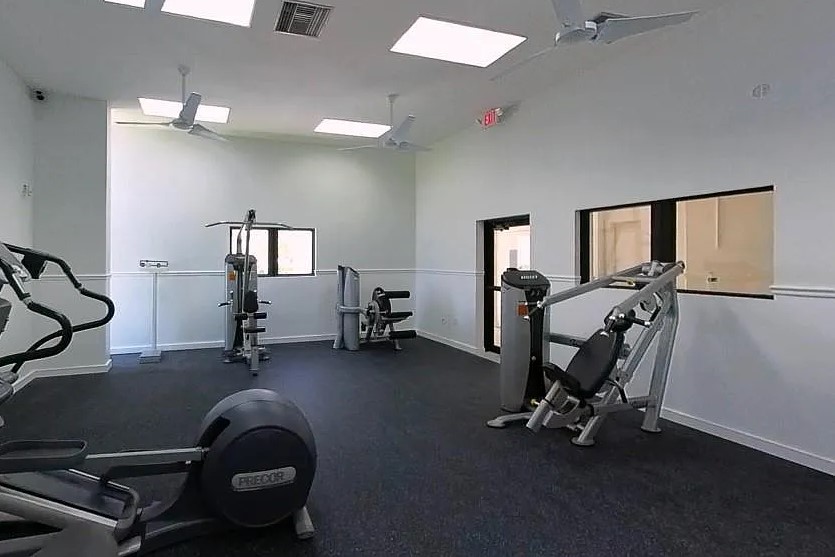
Poinciana Island Gym
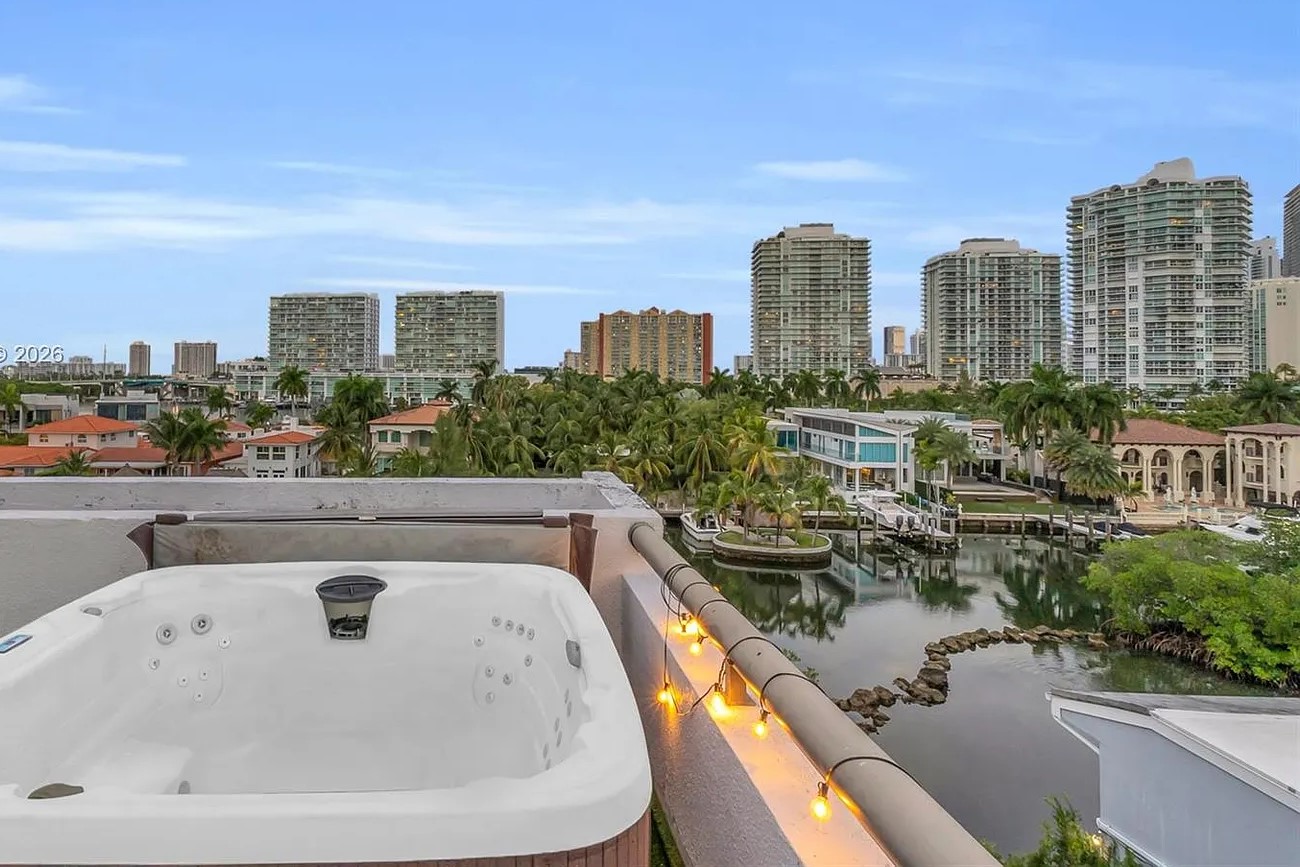
Poinciana Island Balcony View
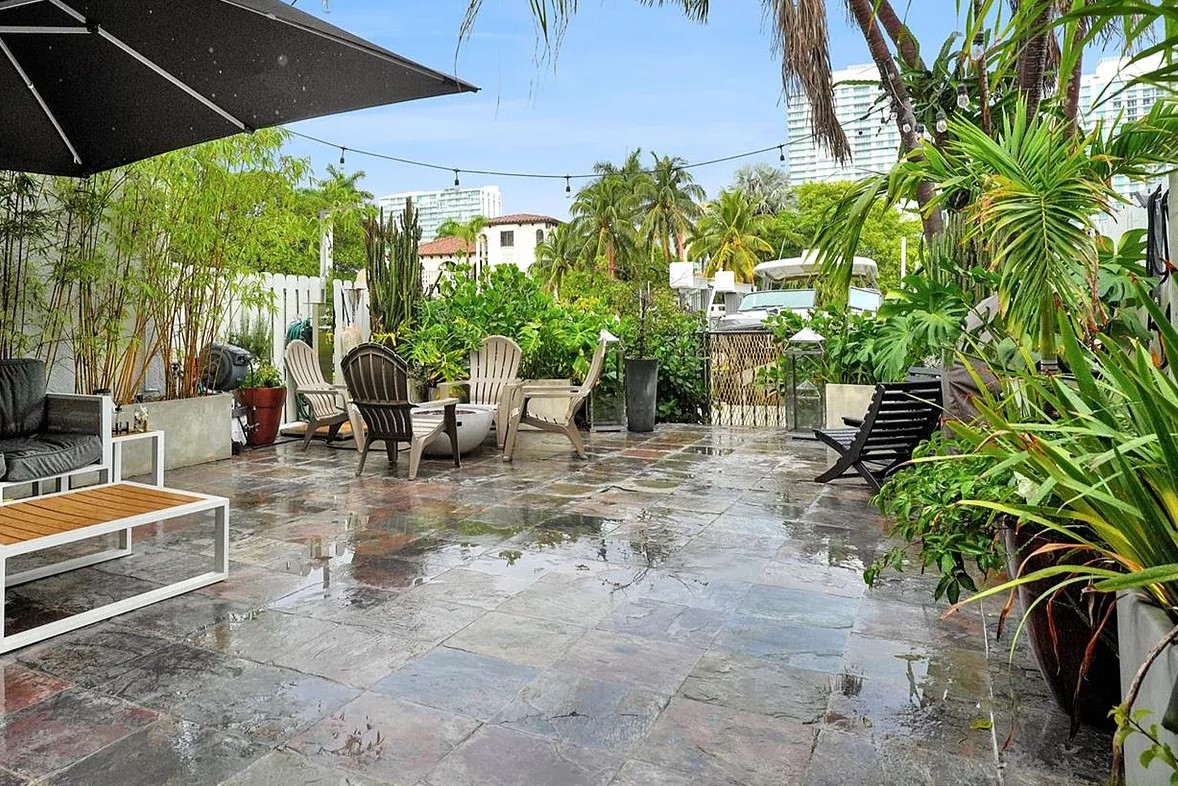
Poinciana Island Garden Space
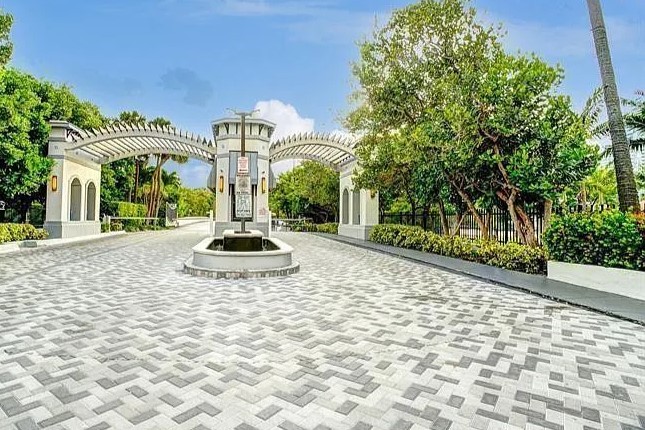
Poinciana Island Entrance
More About Poinciana Island
Poinciana Island is a gated waterfront townhouse community located along the Intracoastal Waterway in Sunny Isles Beach. Known for its spacious multi level residences, private marina, and resort style amenities, the community offers a unique combination of privacy, boating access, and convenient proximity to South Florida's beaches, shopping, dining, and entertainment. Its desirable location and family friendly atmosphere make Poinciana Island a popular choice for those seeking waterfront living in Sunny Isles Beach.
What is Poinciana Island?
Poinciana Island is a gated waterfront townhouse community featuring spacious residences with private garages, multiple balconies, and views of the Intracoastal Waterway and Biscayne Bay.
Does Poinciana Island have a marina?
Yes. The community offers a private marina and community boat docks, making it an excellent choice for boating enthusiasts.
What amenities does Poinciana Island offer?
Residents enjoy two swimming pools, three tennis courts, a fitness center, clubhouse, children's playground, basketball court, barbecue areas, 24 hour security, and controlled gated access.
Are the residences waterfront?
Yes. Many residences are located directly along the Intracoastal Waterway and offer beautiful water views from private terraces and balconies.
What features do the homes include?
Many homes feature open floor plans, gourmet kitchens with granite countertops, premium appliances, marble bathrooms, private garages, and multiple outdoor terraces.
Is Poinciana Island pet friendly?
Yes. Pets are permitted, subject to the condominium association's pet policies and applicable breed restrictions.
What attractions are near Poinciana Island?
The community is just minutes from Sunny Isles Beach, Aventura Mall, Bal Harbour Shops, Oleta River State Park, fine dining, golf courses, and both Miami International and Fort Lauderdale Hollywood International airports.
Why choose Poinciana Island?
Poinciana Island offers the privacy of a gated waterfront community, private boating access, spacious townhome style residences, and resort style amenities, all within one of the most desirable locations in Sunny Isles Beach.
━━━━━━━━
View and learn about nearby communities.
Elite Broker Blogs
━━━━━━━━

Why Are So Many People Moving to Miami?
Relocation, Miami Lifestyle, Real Estate Trends
Why So Many People Are Moving to Miami
Miami has always had a certain pull including sun drenched beaches, Latin flair, and a nightlife scene that rarely sleeps. In the last few years, that attraction has grown into a full blown migration wave, especially from high tax, high cost states. Even as Miami‑Dade County wrestles with rising costs and a recent dip in overall population, thousands of newcomers are still choosing Miami as their next home. What is it about this city that keeps drawing people in?
A Lifestyle You Can Live Outdoors All Year
For many movers, Miami starts as a daydream about lifestyle. The city offers warm, tropical weather year round, which means your daily routine can easily include paddleboarding in Biscayne Bay before work, jogging on the boardwalk at lunch, and dining al fresco in the evening. For people relocating from places such as New York, Chicago, San Francisco or Boston, the idea of trading snow shovels and jackets for flip flops is powerful.
But, it’s more than sunshine. Miami’s neighborhoods each offer their own flavor of everyday life. Brickell gives you a fast paced, walkable, high rise experience; Coconut Grove feels leafy and laid back; areas such as North Miami Beach, Aventura and Sunny Isles Beach offer more suburban comfort. That mix lets new arrivals choose a version of Miami that matches their personality, whether that’s rooftop cocktails, quiet cul‑de‑sacs or something in between.
Cultural Diversity and a Global City Feel
Another reason people are moving to Miami is its remarkable cultural diversity. The city is a crossroads of Latin America, the Caribbean, and the United States. You’ll hear Spanish, English, Portuguese, Hebrew and Haitian Creole in a single day, and you can taste the world in a few blocks. Cuban ventanitas for coffee, Peruvian ceviche bars, Colombian bakeries and fine dining restaurants led by global chefs are all around.
This diversity translates into a steady calendar of festivals and cultural events including Art Basel, Calle Ocho, film festivals, music weekends and neighborhood block parties. For many newcomers, especially young professionals and creatives, Miami’s global energy feels more like an international capital than a traditional American city which is a big part of its appeal.
Who Is Moving to Miami Now?
Behind the lifestyle story, there’s hard data. In the first quarter of 2026, out of state driver’s license exchanges in Miami‑Dade County rose 24% year‑over‑year, with 19,918 exchanges recorded, a key signal of people relocating from other states (Miami Association of REALTORS®, 2026). New York, California and Texas continue to be the top “feeder” states, but there’s growing interest from the Midwest and other nontraditional regions as well.
These movers tend to bring higher incomes and strong demand for housing. Between 2019 and 2023, Florida as a whole gained about $137 billion in net income from domestic migration, with Miami capturing a large share of that inflow. For individuals, that means you’re arriving in a city where new restaurants, services, co‑working spaces and amenities are constantly opening to serve a more affluent, mobile population.
The Tax Advantage Allowing You to Keep More of What You Earn
One of the most concrete reasons people are moving to Miami is money. Florida has no state income tax. For high earning professionals and business owners leaving states such as New York or California, that can translate into tens of thousands of dollars saved every year. Over a decade, the difference is enormous, and it’s a major factor in relocation decisions (Investopedia, “The Economic Impact of No State Income Tax in Florida”).
Add to that a business friendly environment, relatively light regulation and growing access to investors and capital, and Miami starts to look very attractive for entrepreneurs, remote workers and companies looking for a new base. This is part of why you are seeing more finance, tech, and professional services workers in neighborhoods that used to be dominated by tourism alone.
A Rising Tech and Finance Hub
Miami’s reputation as a serious business city has grown dramatically since the pandemic. City leaders and investors actively courted tech founders and venture capital, branding Miami as a new kind of “Wall Street South” and “Silicon Beach.” According to coverage in Forbes Tech Council, the city’s mix of cultural diversity, quality of life and favorable business climate has helped it evolve into a meaningful tech hub, not just a seasonal hotspot.
For individuals, this means more opportunities in sectors like fintech, crypto, logistics, hospitality tech and creative industries. Remote workers, as well, find Miami appealing for reasons such as the airport is a major international gateway, and time zones line up well with both Europe and the rest of the U.S., making it easier to collaborate with teams around the world while still enjoying a beachfront lifestyle.
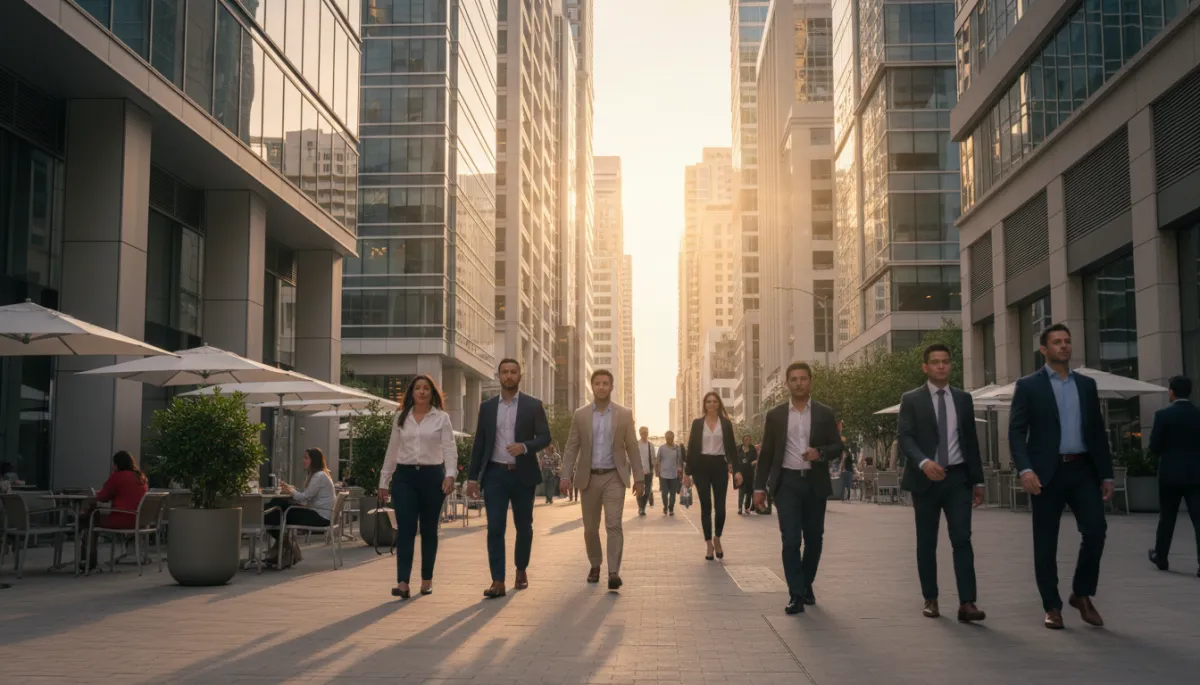
Brickell’s growth as a finance and tech hub is drawing talent from across the country.
Real Estate Investment Potential and Tight Supply
Real estate is another magnet. Miami’s housing market has been tight and competitive, but that’s exactly what appeals to many investors. In late 2025, the median price of a single family home in Miami‑Dade reached around $620,000, up about 8% year over year, with only 3.4 months of supply on the market (Miami Real Estate Journal, Q1 2026). Cash purchases made up an impressive 38% of transactions, far above the national average, and the luxury segment set multiple sales records.
For buyers, this can be a double edged sword. On one hand, it signals strong long term demand and the potential for appreciation and rental income, especially in desirable neighborhoods or properties suitable for seasonal rentals. On the other, it means you’ll face competition, higher prices, and the need to plan carefully around insurance and carrying costs. Still, for many domestic and international investors, Miami remains a cornerstone of their real estate strategy.
Shifting Within Miami from High Rise to Suburban Comfort
Not everyone moving to Miami is new to South Florida. There’s also a noticeable “second wave” of migration within the county. Families and long time residents are leaving dense urban cores such as Brickell and downtown Miami for more spacious, suburban neighborhoods with single family homes, yards and quieter streets. Reports from local real estate analysts highlight growing interest in areas further from the waterfront but closer to schools, parks and community amenities.
If you’re considering a move, this internal reshuffling matters. It suggests that you don’t have to choose between Miami’s energy and a more traditional family lifestyle. Instead, you can live in a residential area and still be a short drive from beaches, cultural venues, and employment centers, especially as infrastructure and suburban retail options continue to improve.
Costs, Outflows and Population Decline
With all this momentum, it might be surprising to learn that Miami‑Dade County actually recorded a population decline in 2025. Axios reports that between July 2024 and July 2025, the county lost about 10,000 residents, one of the largest numeric drops among U.S. counties. That decline is largely tied to a slowdown in international immigration and rising outflows of local residents who can no longer afford to stay.
Affordability is a serious concern. By 2025, roughly 54% of Miami‑Dade households could not afford basic necessities, up from 51% in 2023. High home prices, steep insurance premiums and rising everyday costs are pushing many working class and middle income residents to seek more affordable communities, either elsewhere in Florida or out of the state. In other words, while high income newcomers are arriving, many long time residents are being priced out, reshaping the city’s social fabric.
A key takeaway is that Miami continues to attract wealthier domestic migrants even as affordability challenges push many local families to leave, creating a city that is simultaneously booming and strained.
In State Moves Where Miami Residents Trade for More Space
Another important trend is that many people leaving Miami are not leaving Florida altogether. Instead, they’re moving to more affordable inland markets such as Central Florida where housing is cheaper and space is easier to find. For some, Miami becomes a place to build a career or business before eventually relocating to a quieter, lower cost city within the state. This internal reshuffling is changing Florida’s overall housing market and may, over time, ease some of Miami’s pressure while boosting other regions.
Is Moving to Miami Right for You?
Why are so many people moving to Miami? Because it offers a rare combination: year round sunshine, a vibrant, global culture, strong economic and tax advantages, and real estate opportunities that continue to attract capital from around the world. For many professionals, entrepreneurs and investors, that mix is irresistible.
At the same time, it’s essential to look beyond the postcard image. Rising housing costs, insurance premiums, and overall living expenses mean that Miami can be challenging for middle income households. Before you pack your bags, take a close look at your budget, job prospects, and the kind of neighborhood that fits your lifestyle. If you’re relocating with a family, research schools, commute times, and insurance options as carefully as you would research the nearest beach.
Ultimately, Miami is a city of contrasts including booming and shrinking, glamorous and hard working, local and global all at once. That tension is exactly what makes it so compelling. For many people, the chance to live where most others vacation, build a career in a growing economic hub, and immerse themselves in a rich, multicultural community outweighs the challenges. If you’re drawn to big energy, bold opportunities, and endless summer, it’s easy to understand why so many people are still choosing to call Miami home.

Equal Housing Opportunity. A Proud Equal Opportunity Real Estate Brokerage
Ocean Miami Real Estate, a division of Global Luxury Real Estate, offers the opportunity to buy and sell properties across South Florida. We help connect buyers and sellers not only from the local market, but across the country and around the world.
Corporate Responsibility, Privacy & Legal Notices: Global Luxury Realty is a licensed real estate broker and doing business as Ocean Miami Real Estate. No guarantee, warranty or representation of any kind is made regarding the completeness or accuracy of descriptions or measurements (including square footage measurements and property condition), such should be independently verified, and GLR expressly disclaims any liability in connection therewith. No financial or legal advice provided. Equal Housing Opportunity.
COMPANY
CUSTOMER CARE
18117 Biscayne Blvd Ste 2705, Miami FL 33160
FOLLOW US


© Copyright 2026. Ocean Miami Real Estate. All Rights Reserved.