Hollywood Florida's Changing Skyline Could Transform the Future of Hollywood Beach
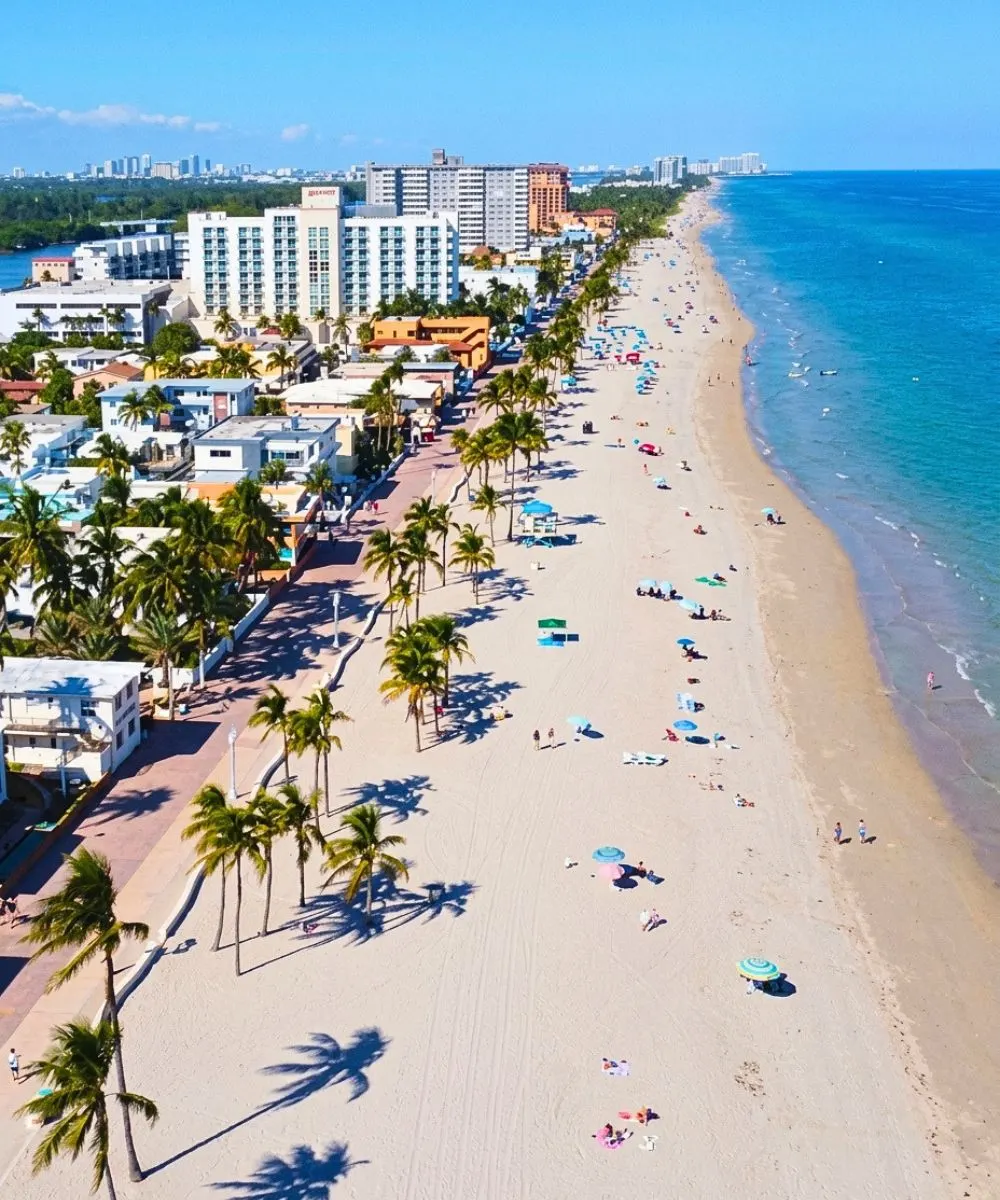
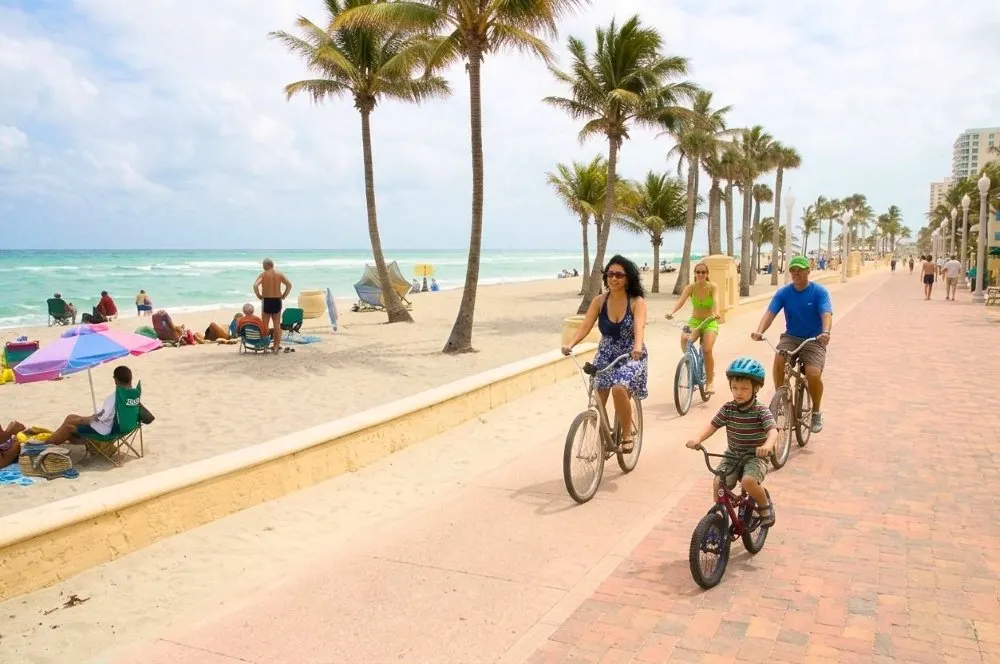
For generations, Hollywood Beach has occupied a somewhat different place in the South Florida landscape. Situated between the high rise skylines of Fort Lauderdale and Sunny Isles Beach, it has maintained an identity that is increasingly difficult to find along the region's Atlantic coastline. The city's broad beachfront, familiar Broadwalk, independent restaurants, smaller hotels and relatively modest building heights have helped distinguish it from neighboring communities where towers have become the defining feature of the waterfront.
That distinction, however, may be entering a new chapter.
In October 2026, the Hollywood City Commission approved a significant change to the city's beachfront development regulations, opening the door to taller buildings and greater development density in designated portions of Hollywood Beach. The 5-2 vote followed months of public discussion, planning reviews and opposition from residents concerned about how a changing skyline could affect the character of their community.
The decision represents more than a zoning adjustment and raises a much larger question about what Hollywood Beach should become. Can the city accommodate new investment without sacrificing the qualities that have made it attractive in the first place?
A Different Vision for Hollywood Beach
For years, much of Hollywood Beach has operated under a 65 foot building height restriction. That limitation helped preserve a relatively low rise coastal environment at a time when other South Florida beachfront communities were experiencing substantial vertical development.
The newly approved Hollywood Beach Overlay District introduces a different approach. Rather than applying one uniform height restriction throughout the area, the framework divides the beachfront into six precincts, each with its own development guidelines and opportunities for additional building height.
The program also creates incentives for developers willing to incorporate certain public benefits and design features into their projects. These may include improved public spaces, additional amenities and other contributions intended to benefit the surrounding community.
The framework is designed to give the city greater control over how future development takes place while allowing qualifying properties to pursue additional development rights.
There are limits, however. The new overlay district includes a five year sunset provision, creating a defined period during which the optional development framework will be available. The rules also vary by location, meaning that not every property along the beach will have the same development opportunities.
For city officials and supporters of the measure, the approach offers a way to encourage investment while maintaining local influence over the area's future.
For residents who have grown accustomed to Hollywood Beach's existing character, the changes represent a significant departure from what has traditionally defined the community.
The Debate Over Height, Density and Neighborhood Character
The reaction to the city's decision illustrates the competing priorities surrounding beachfront development.
Opponents have raised concerns that taller buildings could fundamentally alter the experience of Hollywood Beach. Their concerns extend beyond the appearance of the skyline. Increased residential and hotel density could place additional demands on roads, parking, water and sewer infrastructure, emergency services and other public resources.
There are also broader questions about coastal resilience. Hollywood Beach, like other barrier island communities in South Florida, must contend with flooding, rising sea levels and the long term costs associated with protecting coastal infrastructure.
Some residents worry that allowing substantially taller buildings could gradually transform the area into something resembling the more densely developed beachfront communities to the north and south.
Supporters see the issue differently. They argue that carefully structured development can bring investment, improve aging properties, create additional accommodations for visitors and generate economic activity. They also contend that establishing a local development framework gives Hollywood more influence over future projects than leaving property owners to pursue development opportunities under broader state legislation.
Both perspectives reflect legitimate questions about the future of the city. The challenge will be determining whether the economic benefits of additional development can be achieved without creating infrastructure and quality of life problems that are difficult to reverse.
Two Projects That Could Help Define the Future
While the new zoning framework has attracted considerable attention, two particular beachfront properties illustrate the scale of the changes being discussed.
One is the historic Hollywood Beach Resort property, a recognizable part of the area's architectural and tourism history. The site could become a major redevelopment opportunity under the new overlay regulations with a potential tower reaching approximately 340 feet and additional height potentially available through historic preservation incentives.
The prospect of redevelopment raises an important question about the relationship between preservation and modernization. Hollywood has an opportunity to reconsider how an important historic property can contribute to the area's future. Whether that means retaining significant elements of its history or pursuing a substantially different development concept will be closely watched.
Another project generating considerable discussion is located at 1301 South Ocean Drive, the current site of the Hollywood Beach Culture and Community Center.
This proposal is particularly noteworthy because it involves city owned property and a public private development arrangement. The project is being considered under Florida's Live Local framework, rather than simply as a development resulting from the new beach overlay district.
The proposed development includes a residential tower reaching approximately 375 feet, or 30 stories with market rate condominiums and workforce housing. The broader arrangement also involves improvements to public facilities including a replacement community center and improvements to Harry Berry Park.
In October, the City Commission approved the project specific height and development parameters by a 6-1 vote. That action established important development standards, but did not itself constitute final approval of the project's design and site plan.
The proposal has generated its own debate over the use of public land, the long term lease arrangement and whether the benefits offered to the city justify the scale of private development.
Taken together, these projects demonstrate that the conversation about Hollywood's future is no longer theoretical. Significant development decisions are already moving through the city's approval process.
What Could This Mean for Hollywood Real Estate?
For property owners, prospective buyers and real estate investors, changes to beachfront development regulations could have implications extending well beyond the properties directly affected.
Additional development opportunities may increase interest in strategically located parcels, particularly properties that could qualify for increased density or height allowances. Developers may also begin evaluating older hotels and underutilized properties with an eye toward redevelopment.
The possibility of a changing skyline could influence how buyers view Hollywood Beach relative to other coastal markets in Broward and Miami-Dade counties.
For some, additional luxury residences, hotels and amenities could make the area more attractive. New development could introduce modern housing options, attract additional visitors and support local restaurants, retailers and service businesses.
For others, the appeal of Hollywood Beach is precisely that it has not experienced the same degree of high rise development as neighboring communities. If the area becomes significantly more densely developed, some buyers ponder whether it will retain the atmosphere that initially attracted them.
Property values are also worth watching, although the relationship between new zoning opportunities and individual home prices is not necessarily straightforward. Properties with redevelopment potential may attract greater interest while surrounding residential properties could experience different effects depending on their location, views, traffic patterns and proximity to new construction.
View available properties for sale in Hollywood, FL.
Ultimately, the impact will depend on which projects move forward, how they are designed and whether the city can successfully manage the additional demands associated with growth.
The Infrastructure Question Cannot Be Ignored
One of the most important considerations in any discussion about coastal development is whether existing infrastructure can support a larger population.
Hollywood Beach is a barrier island community with finite road capacity and limited space for expansion. More residential units and hotel rooms could mean additional traffic, greater demand for parking and increased pressure on public utilities.
Stormwater management and flood protection are equally important. As coastal communities throughout South Florida evaluate the long term effects of changing weather patterns and rising sea levels, new development must be considered within the context of resilience and public safety.
These issues deserve as much attention as building heights and architectural renderings. A development plan may look attractive on paper, but its long term success will depend in part on the roads, drainage systems, public facilities and services that support it.
The city's ability to coordinate private investment with meaningful infrastructure improvements may ultimately determine whether this new development framework delivers the benefits its supporters envision.
A Defining Moment for Hollywood
Hollywood is not the first South Florida community to face the difficult balance between growth and preservation. From Miami Beach to Fort Lauderdale and Sunny Isles Beach, coastal cities have spent decades navigating the economic opportunities and community concerns that accompany high rise development.
What makes Hollywood different is that it still possesses a distinctive beachfront identity. The Broadwalk, the independent businesses, the smaller hotels and the relatively approachable scale of much of the surrounding development have helped make the area recognizable to residents and visitors alike.
The question is not necessarily whether Hollywood should change. Cities evolve, buildings age and communities need to adapt to changing economic and demographic realities. The more important question is how that change will be managed.
The new development rules create opportunities that did not previously exist. They also place greater responsibility on city leaders to ensure that growth is accompanied by thoughtful planning, adequate infrastructure and meaningful public benefits.
For homeowners and investors, the coming years could bring new opportunities and a different real estate landscape. For residents, they could determine whether Hollywood Beach retains the character that has distinguished it from much of the surrounding coastline.
The skyline may eventually look different. The characteristics of the community will depend on the decisions being made today.
Looking for your next home?
Search luxury condos, waterfront homes and rentals across South Florida.
More news
- Colette Residences Brings a Boutique Feel to Luxury Living on Brickell Avenue · November 24, 2026
- New York Money Keeps Flowing Into Miami with a $345 Million Loan · November 23, 2026
- A Historic Ocean Drive Hotel Could Become Miami Beach's Next Luxury Condominium · November 21, 2026